
Unidirectional Flushing Services For Water Distribution Systems
Remove biofilm, sediment, corrosion debris, and construction residue from suitable data center cooling pipelines with project-specific ice pigging.
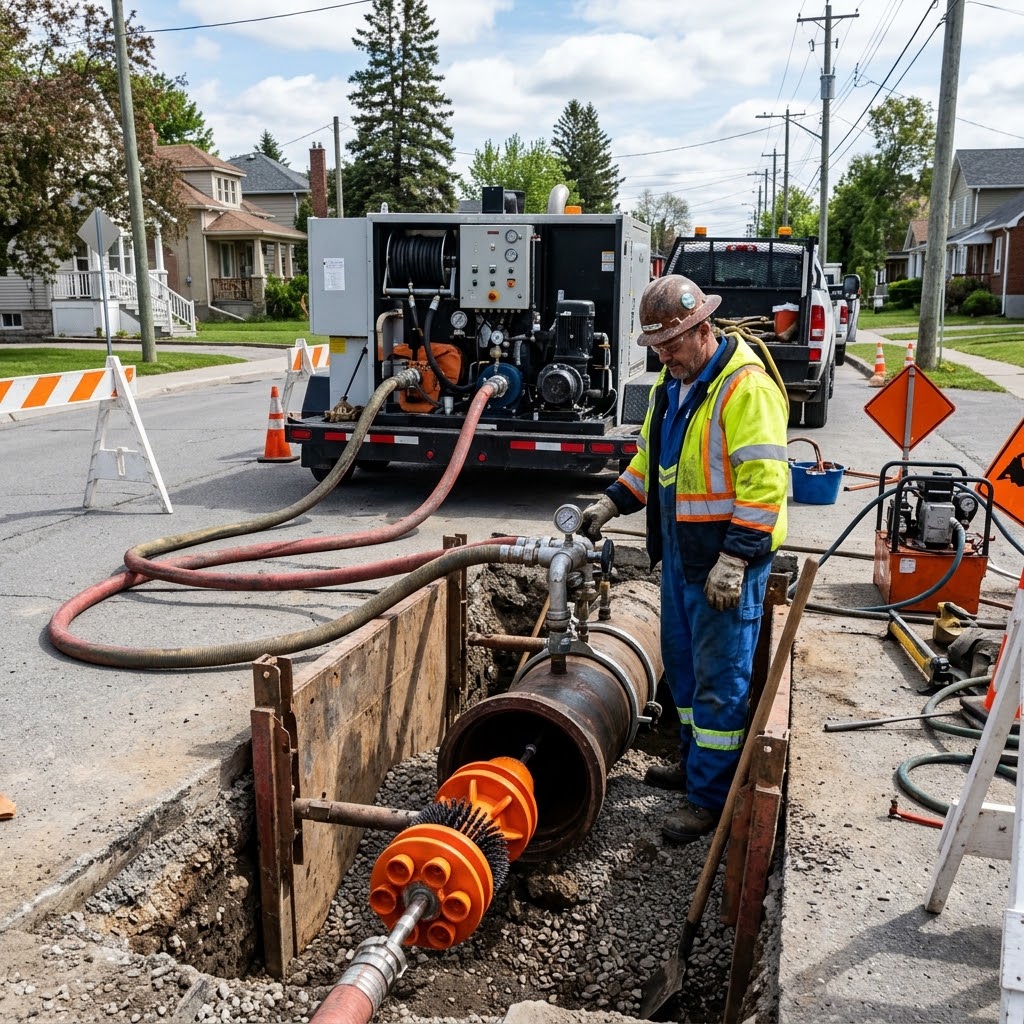
Specialized Cleaning For Water Distribution Systems
Unidirectional flushing directs high-velocity water through a planned, isolated section of pipeline in a single, controlled direction.
The increased flow velocity scours the internal pipe surface, mobilizing loosened material and carrying it toward a designated discharge point such as a hydrant or blow-off valve.
This physical cleaning method can complement corrosion control, disinfection programs, and routine water quality monitoring.
It does not replace ongoing water treatment, but it can remove deposits and sediment that low-velocity flow or standard maintenance flushing may not effectively clear.
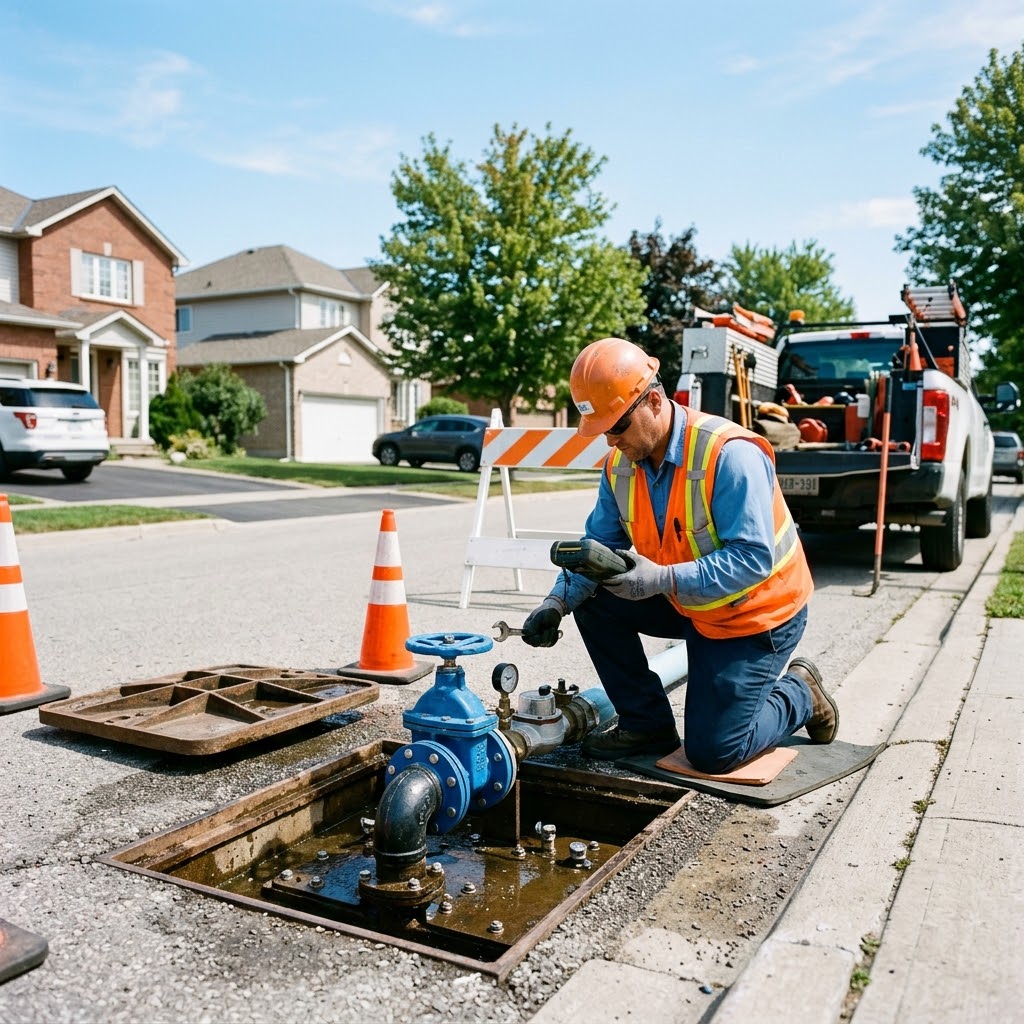
Water Distribution Systems We Can Assess
Distribution networks vary by size, age, and material. We assess pipe diameter, layout, valve configuration, hydrant spacing, and cleaning objectives before recommending unidirectional flushing.
Potable Water Distribution Mains
Remove loose sediment and deposits from suitable supply mains and looped sections.
Dead-End And Low-Flow Branch Lines
Clear settled sediment, discoloration sources, and stagnant water from compatible line segments.
Transmission And Trunk Mains
Clean extended routes containing valves, tees, bends, and diameter transitions.
Newly Installed Or Rehabilitated Pipelines
Address construction debris and residual material following pressure testing and disinfection.
Fire Protection And Hydrant Supply Lines
Clean suitable connecting pipelines to help maintain adequate flow and water quality at hydrant locations.
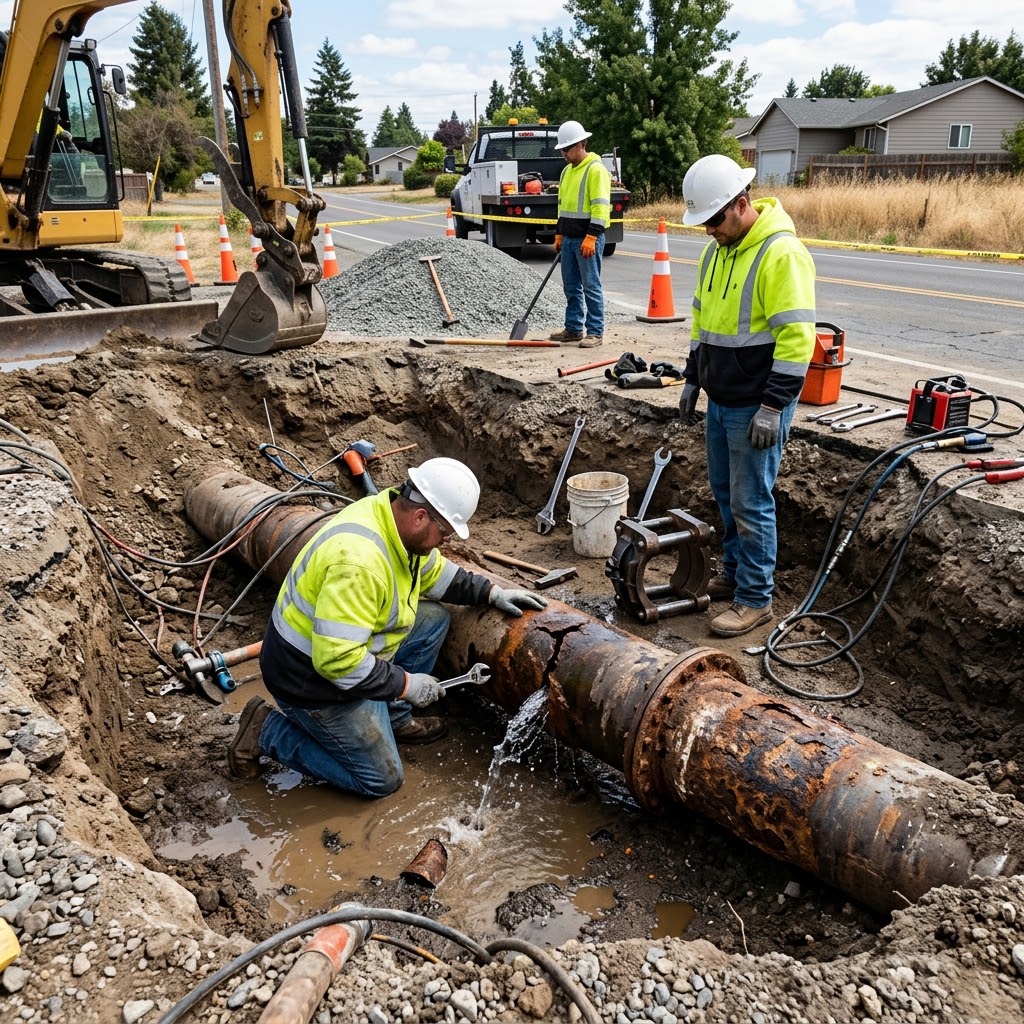
Common Distribution Pipeline Problems
Distribution pipelines can accumulate contaminants over time due to pipe age, low-flow zones, and intermittent demand patterns. Unidirectional flushing can remove several forms of buildup from suitable systems.
Sediment And Tuberculation
Iron, manganese, and corrosion byproducts can accumulate along interior pipe walls, particularly in unlined cast iron and older ductile iron mains.
Biofilm And Discoloration Sources
Stagnant sections and inconsistent circulation can allow biofilm to develop, contributing to taste, odor, and discoloration complaints.
Construction And Repair Debris
Soil, jointing compound, and fragments may remain inside newly installed or repaired pipeline segments.
Loose Scale And Mineral Deposits
Water chemistry changes and pressure fluctuations can loosen scale and deposits, restricting flow and reducing water quality.

How Contamination Affects Distribution Performance
Internal buildup can reduce flow capacity, elevate disinfectant demand, contribute to discolored water events, and place additional strain on booster pumps and valves.
Utilities may also experience recurring customer complaints, elevated turbidity readings, inconsistent chlorine residuals, or unplanned main breaks in affected areas.
These warning signs do not always confirm that a pipeline requires flushing. A system assessment can help distinguish between sediment accumulation, corrosion, water age, cross-connections, and other possible causes.
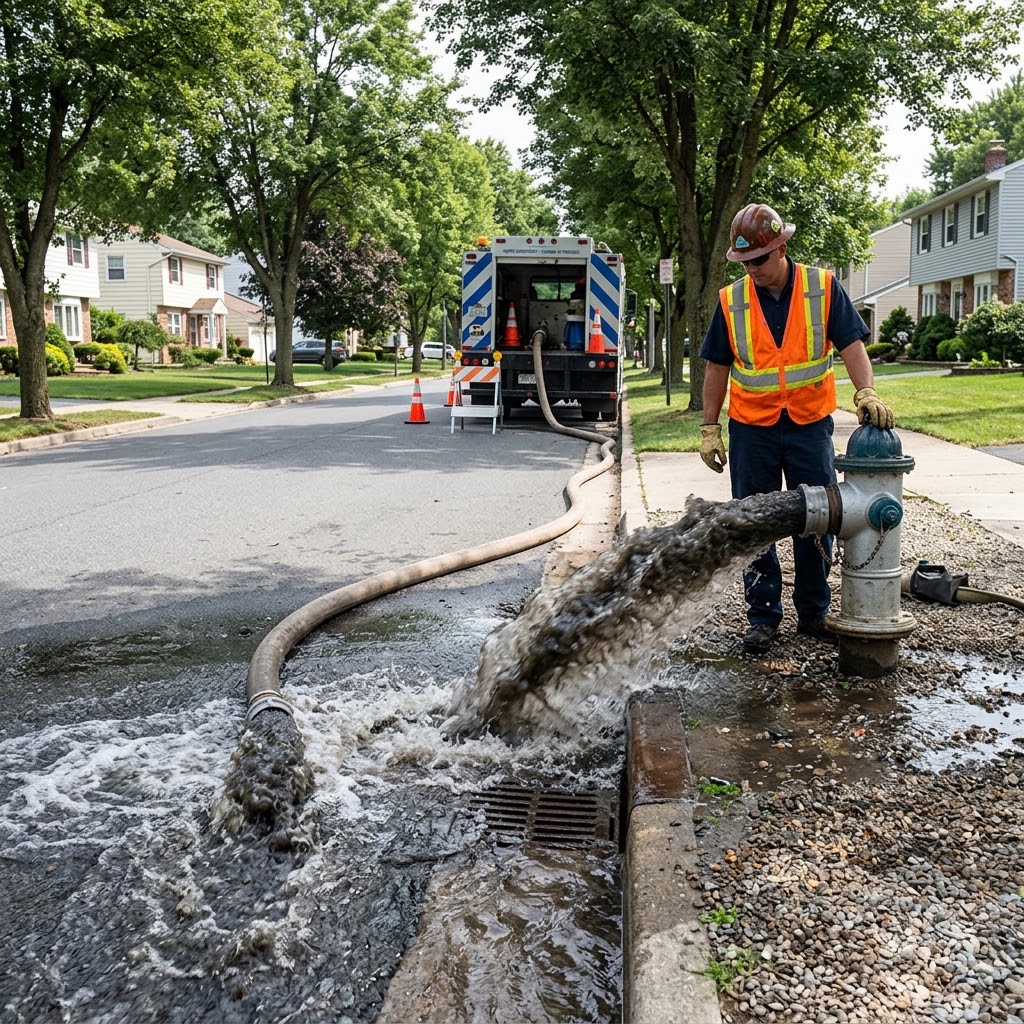
Benefits Of Unidirectional Flushing
Unidirectional flushing provides controlled, directional cleaning without introducing chemicals or mechanical devices into the pipeline.
Because flow is isolated and directed through valve sequencing, water velocity and scouring force can be concentrated where they are needed most.
Potential advantages include:
Higher scouring velocity than conventional flushing
Removal of settled sediment and loose deposits
Directional control through valve and hydrant sequencing
Reduced water usage compared to non-directional flushing
Controlled discharge and water quality monitoring
Lower risk of dislodged material resettling downstream
Unidirectional Flushing Applications Across The System Lifecycle
Pre-Service Cleaning
Position unidirectional flushing as a method for removing construction debris and residual material before suitable mains enter active service.
Planned Preventive Maintenance
Cover scheduled flushing based on water quality trends, customer complaints, flow testing results, or known sediment accumulation.
Corrective Water Quality Response
Address discoloration events, taste and odor complaints, low chlorine residuals, or sediment-related customer concerns.
Post-Repair And Expansion Cleaning
Unidirectional flushing may also be considered after main breaks, repairs, system expansions, or changes to the distribution network.
Our Unidirectional Flushing Process
Each project is planned around system mapping, valve conditions, hydrant locations, water quality goals, and the available maintenance window.
- Feasibility Review
Assess system maps, pipe dimensions, materials, valves, and hydrant locations.
- Route And Isolation Planning
Define the flushing sequence, isolation valves, and project order to maintain unidirectional flow.
- Access And Discharge Planning
Select hydrant, blow-off, and discharge arrangements, including dechlorination if required.
- Site Preparation
Prepare valve exercising, traffic control, and required safety and notification measures.
- Controlled Sequential Flushing
Open and close valves and hydrants in sequence while monitoring velocity, turbidity, and discharge conditions.
- Verification And Restoration
Evaluate discharge water clarity, confirm results, and return valves to normal operating position.
Frequently Asked Questions
What Is Unidirectional Flushing?
Can Unidirectional Flushing Clean Dead-End Mains?
Unidirectional flushing may be suitable for dead-end and low-flow branch lines. Pipe dimensions, valve availability, hydrant access, and system pressure must be assessed before a flushing plan is recommended.
Does Unidirectional Flushing Remove Biofilm?
Can Unidirectional Flushing Be Used On Transmission Mains?
Does Unidirectional Flushing Replace Water Quality Monitoring?
Discuss Your Distribution System
Share your system maps, valve locations, known problem areas, and hydrant access points. Our specialists will assess whether unidirectional flushing is suitable and recommend a project-specific approach.