
Pre-Commissioning & Decommissioning Pipeline Cleaning With Ice Pigging
Clear construction debris, fabrication residue, and process material from suitable pipelines before start-up or ahead of safe decommissioning using project-specific ice pigging.
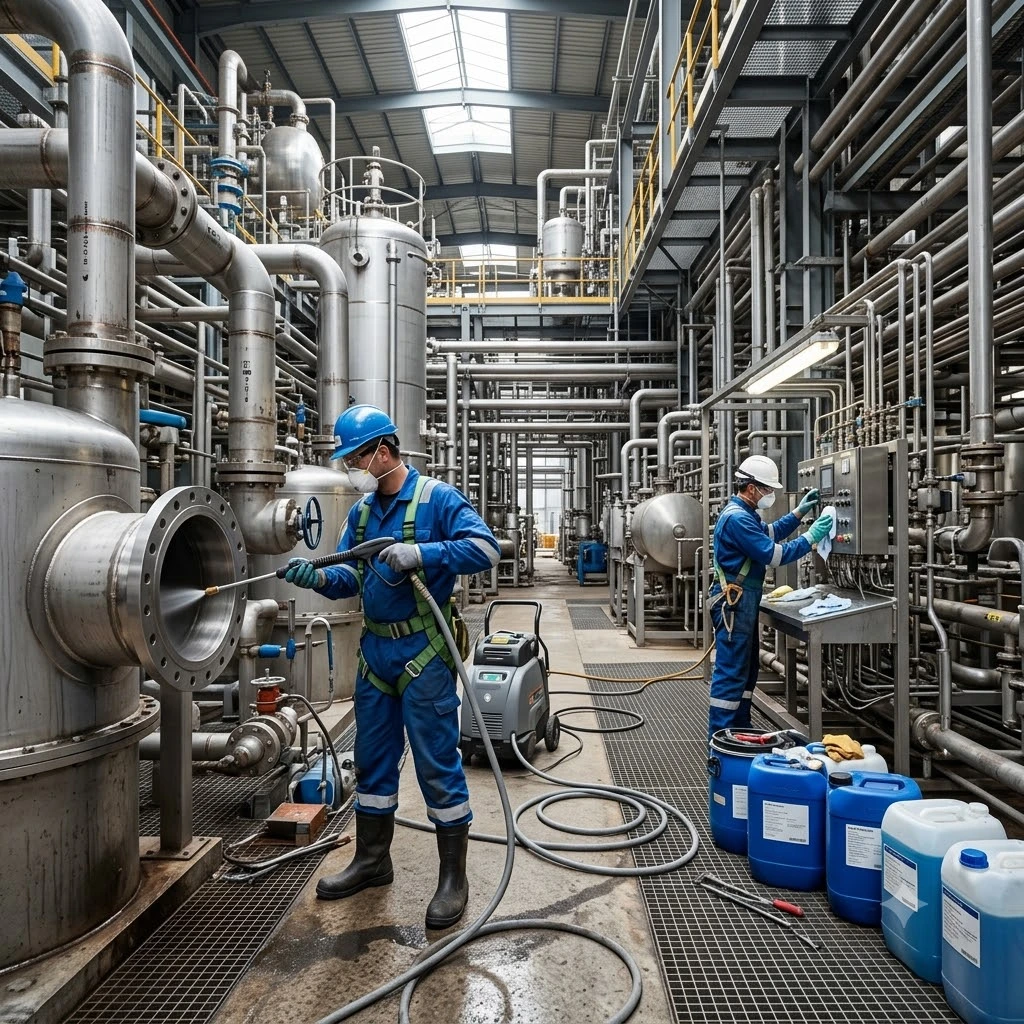
Specialized Cleaning For Pre-Commissioning And Decommissioning
Ice pigging uses an engineered mixture of ice crystals and liquid to form a pumpable, semi-solid cleaning plug.
The slurry moves through a selected pipeline section, contacts the internal pipe surface, and carries loosened material toward a planned receiving point.
This physical cleaning method can complement caliper pigging, hydrostatic testing, nitrogen purging, dewatering, and other pre-commissioning or decommissioning procedures.
It does not replace these verification and clearance steps, but it can remove debris and residue that flushing or conventional pigging alone may not fully address.
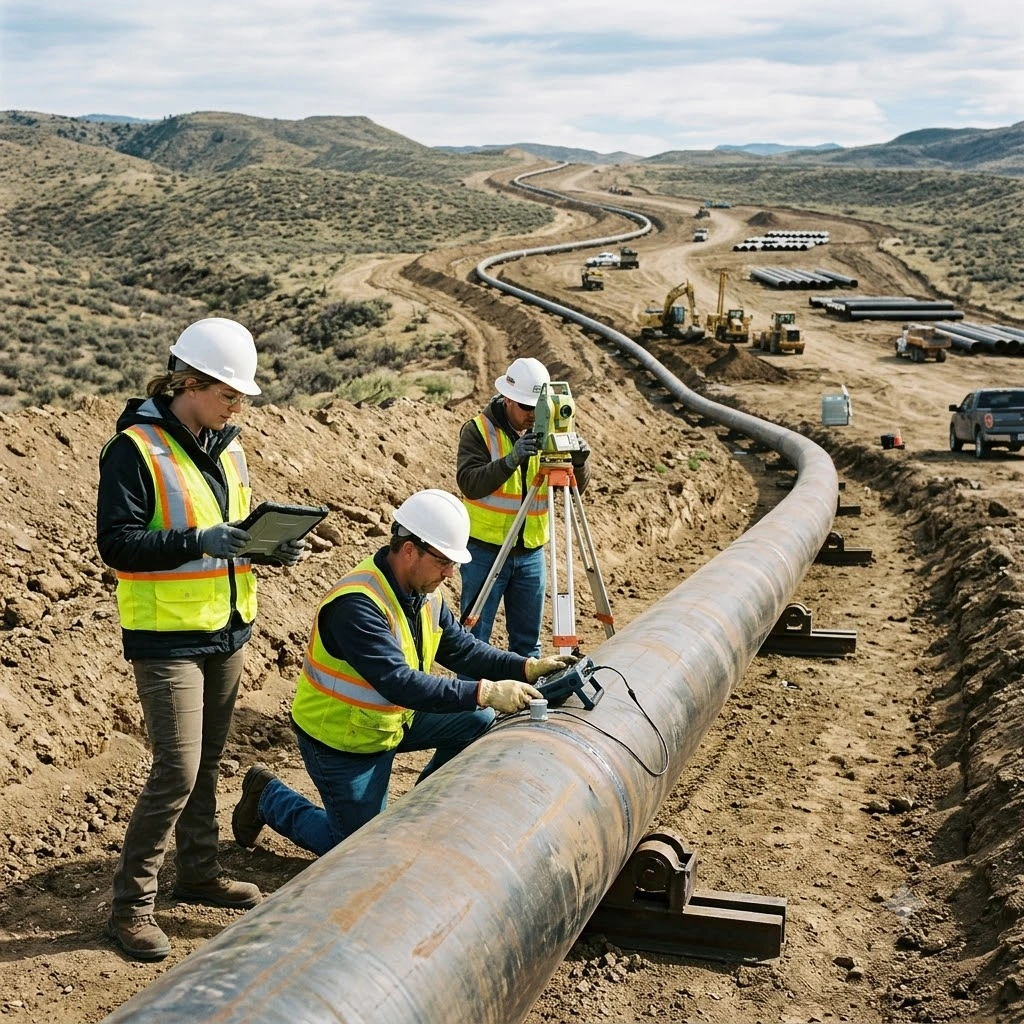
Pipeline Projects We Can Assess
Pre-commissioning and decommissioning requirements vary by project. We assess pipe size, layout, construction history, product history, isolation points, and clearance objectives before recommending ice pigging.
Newly Constructed Pipelines
Remove weld slag, mill scale, dust, and fabrication debris before hydrostatic testing or handover.
Process And Utility Pipework
Clear installation residue from newly commissioned process, steam, or utility lines prior to start-up.
Pipelines Being Taken Out Of Service
Clear residual product and deposits from lines ahead of isolation, purging, or physical decommissioning.
Idle Or Mothballed Assets
Assess pipework held out of service for extended periods before reactivation or final decommissioning.
Tie-Ins And Modified Sections
Clean newly welded tie-in spools and modified pipe sections before they are brought into an operating system.
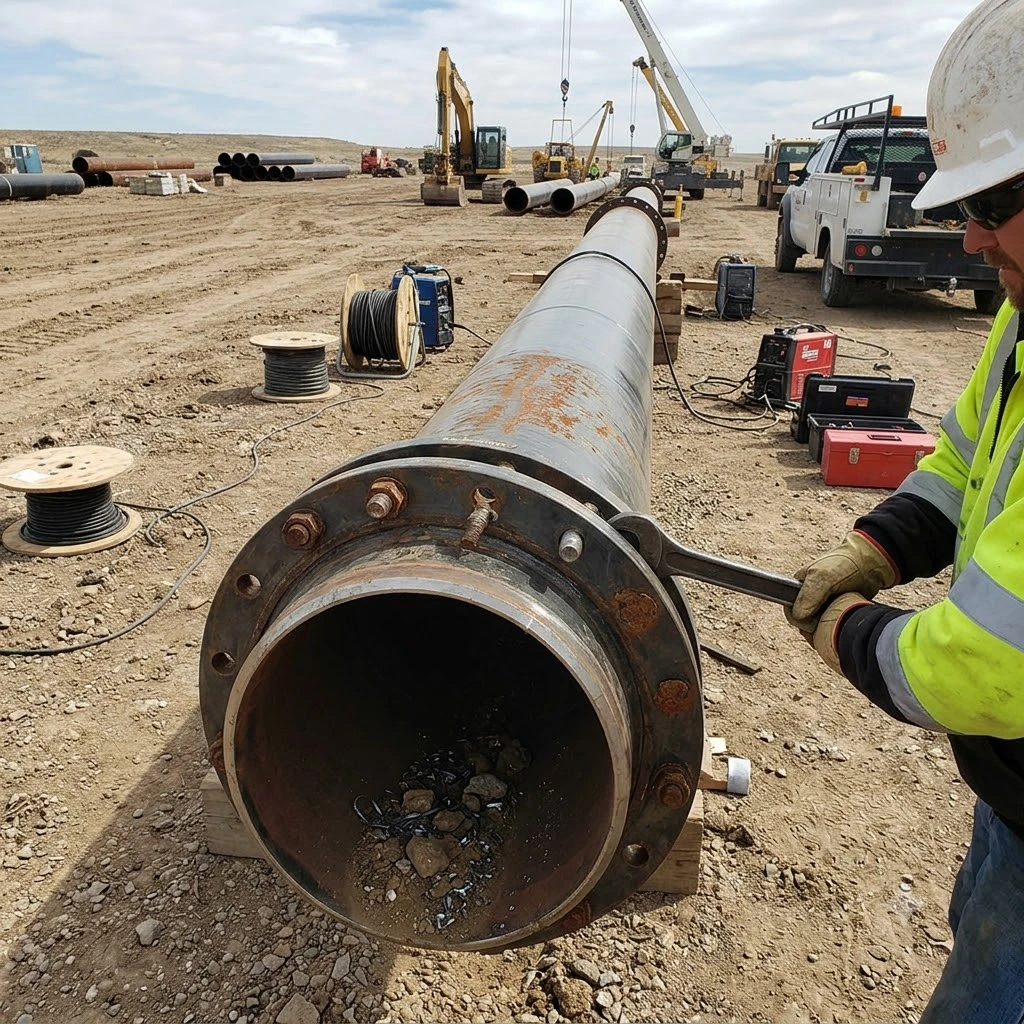
Common Pre-Commissioning And Decommissioning Pipeline Problems
Pipelines can retain contaminants from construction, fabrication, prior service, or extended downtime. Ice pigging can remove several forms of buildup from suitable systems.
Weld Slag And Fabrication Debris
Slag, spatter, cutting residue, and jointing material can remain inside newly welded or newly installed pipe sections.
Mill Scale And Construction Dust
Mill scale, dirt, and dust introduced during storage, transport, and installation can travel through the system during initial start-up if not removed beforehand.
Residual Product And Process Deposits
Lines being decommissioned may retain product residue, sludge, or scale that must be cleared before safe isolation or removal.
Corrosion Products From Idle Periods
Pipework left static for extended periods can develop internal corrosion and settled debris that requires clearing before reactivation or final shutdown.
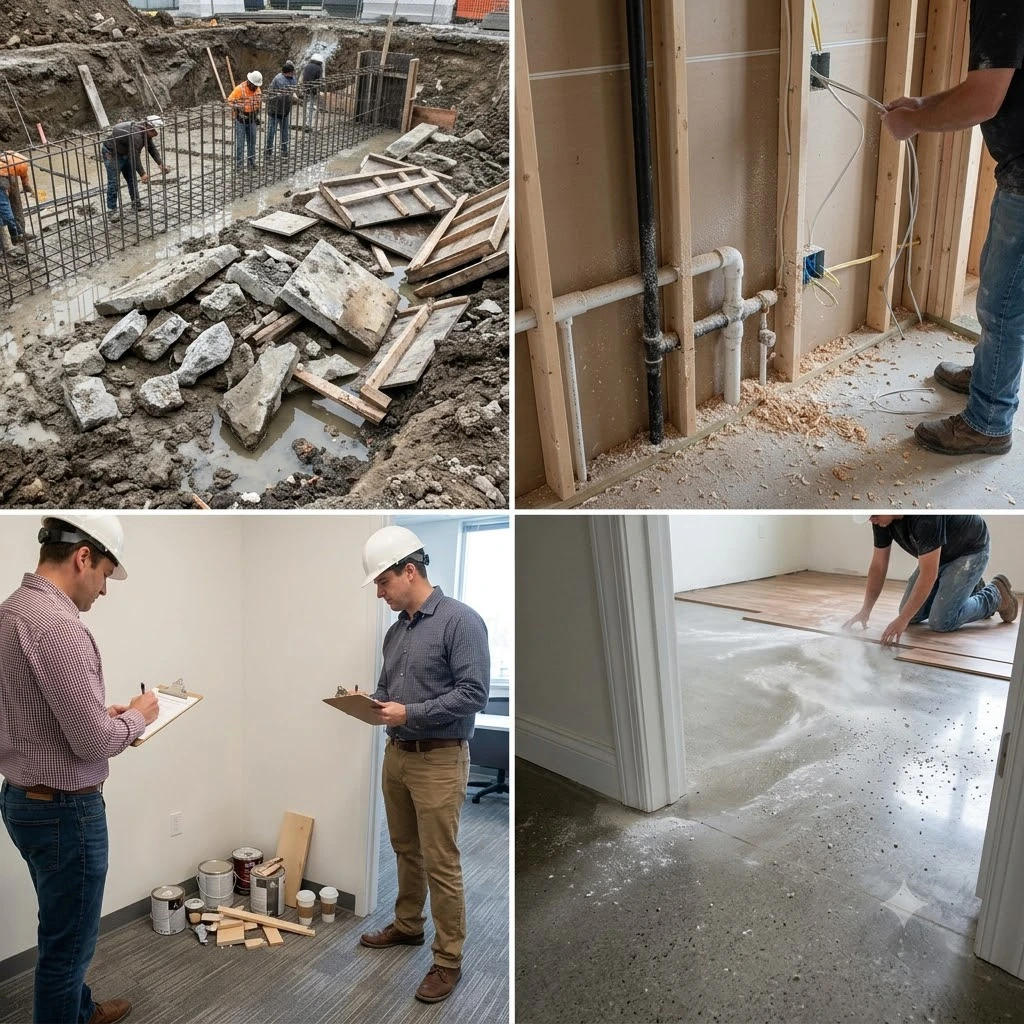
Why Debris And Residue Matter At These Project Stages
Leftover construction debris entering an operating system can damage pumps, valves, instrumentation, and heat exchangers shortly after start-up.
At decommissioning, retained product or deposits can complicate safe isolation, create disposal and compliance obligations, and slow down the handover of the asset.
These risks are not always visible from the outside. A project-specific assessment can help confirm whether ice pigging is a suitable clearing method alongside the testing and verification steps already planned for the project.
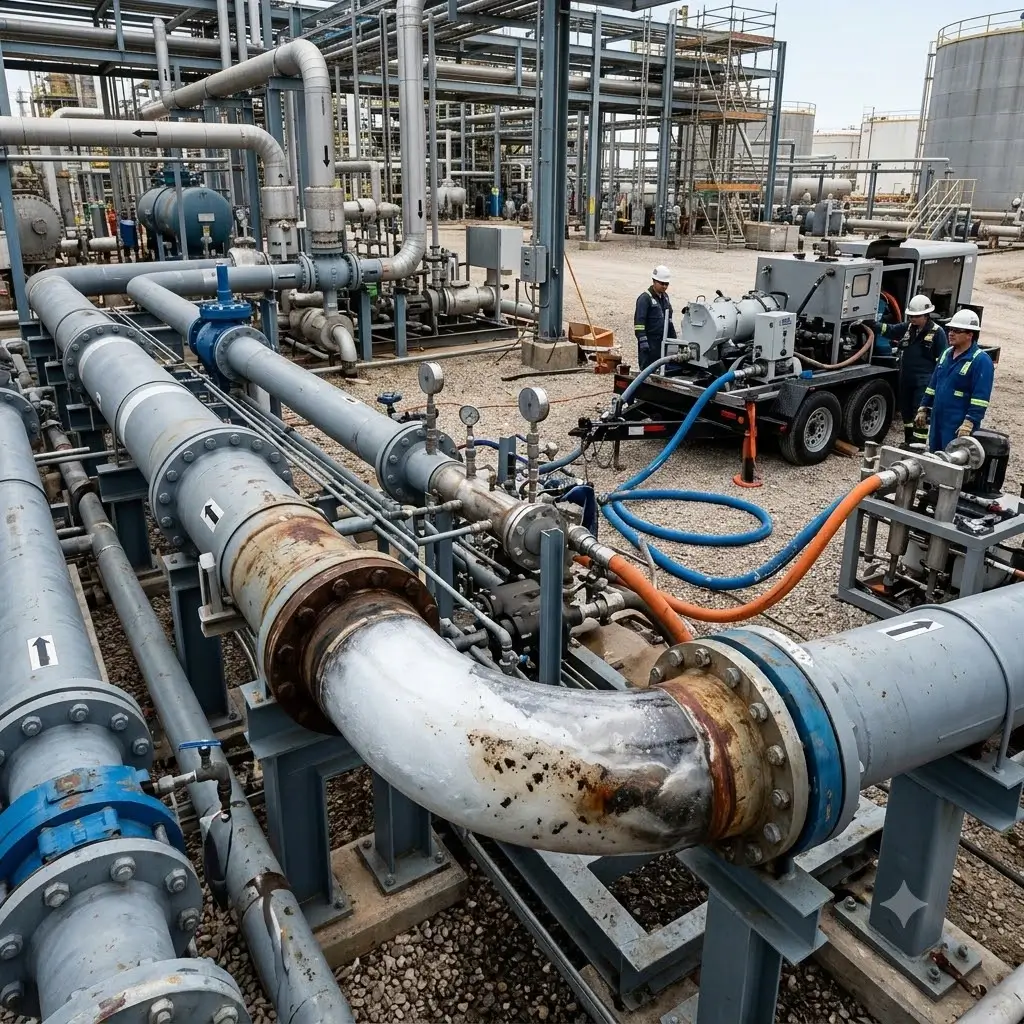
Benefits Of Ice Pigging For Pre-Commissioning And Decommissioning Projects
Ice pigging provides controlled physical cleaning without sending a rigid mechanical device through the pipeline network.
Because the slurry is pumpable and deformable, it can move through many bends, fittings, valves, and changes in pipe diameter, including newly fabricated tie-in sections.
Potential advantages include:
Greater pipe-wall contact than water-only flushing
Removal of construction debris ahead of hydrostatic testing
Clearing of residual product ahead of safe decommissioning
Navigation through many complex or newly welded pipeline features
Controlled collection of discharged material for disposal
Lower risk of a permanently lodged cleaning device
Ice Pigging Applications Across Pre-Commissioning And Decommissioning
Pre-Hydrotest Cleaning
Remove loose debris before hydrostatic or pneumatic testing so results reflect the condition of the pipe, not trapped construction material.
Pre-Start-Up Clearance
Clear newly installed or modified sections before they are connected to an operating system.
Product Removal Before Isolation
Clear residual product and deposits from lines being prepared for decommissioning or physical isolation.
Reactivation Cleaning
Assess and clean idle or mothballed pipework before it is returned to service.
Our Pre-Commissioning And Decommissioning Ice Pigging Process
Each project is planned around construction records, pipe condition, contaminants, access points, and the project schedule.
- Feasibility Review
Assess system drawings, pipe dimensions, materials, fluids, valves, and fittings.
- Route And Isolation Planning
Define the cleaning route, isolation points, and project sequence alongside other pre-commissioning or decommissioning activities.
- Access And Discharge Planning
Select injection, receiving, containment, and disposal arrangements.
- Site Preparation
Prepare temporary connections, equipment access, and required safety controls.
- Controlled Ice Slurry Injection
Inject the slurry while monitoring pressure, flow, and discharge conditions.
- Verification And Restoration
Evaluate removed material, confirm results, and hand the section back for testing, start-up, or further decommissioning steps.
Frequently Asked Questions
What Is Pre-Commissioning Pipeline Cleaning?
Does Ice Pigging Replace Hydrostatic Testing Or Nitrogen Purging?
Can Ice Pigging Be Used Before Decommissioning A Pipeline?
Is Ice Pigging Suitable For Newly Welded Tie-In Sections?
How Does Ice Pigging Compare To Conventional Pigging For These Projects?
Discuss Your Pre-Commissioning Or Decommissioning Project
Share your project drawings, construction or product history, and pipeline condition. Our specialists will assess whether ice pigging is suitable and recommend a project-specific approach.