
Pipeline Pre-Inspection Cleaning With Ice Pigging
Remove debris, scale, wax, corrosion products, and residual material from suitable pipelines before in-line inspection (ILI) with project-specific ice pigging.
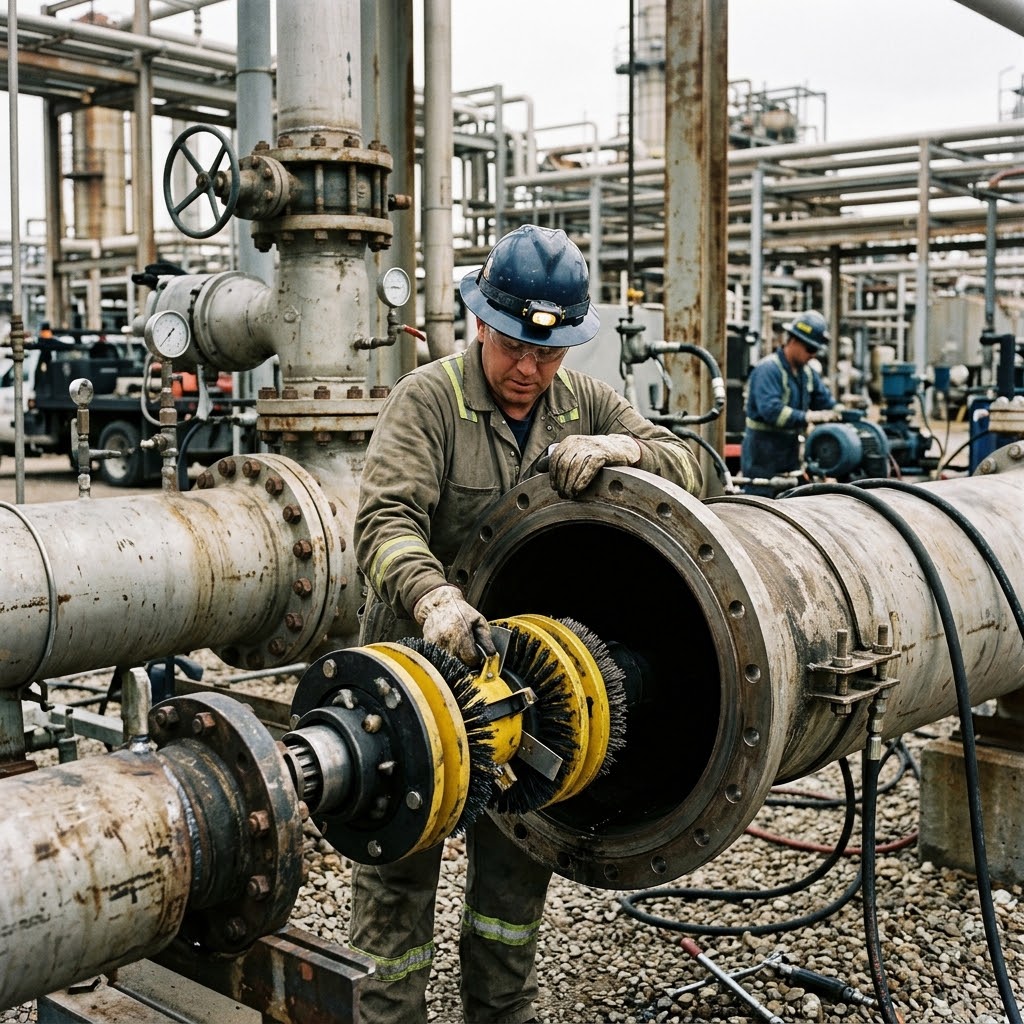
Specialized Cleaning For Pipelines Ahead Of Inspection
Ice pigging uses an engineered mixture of ice crystals and liquid to form a pumpable, semi-solid cleaning plug.
The slurry moves through a selected pipeline section, contacts the internal pipe surface, and carries loosened material toward a planned receiving point.
This physical cleaning method can complement conventional pigging programs, chemical treatment, and mechanical cleaning tools used ahead of ILI.
It does not replace the inspection itself, but it can remove deposits that a standard pre-run or foam pig may not fully address, helping give inspection tools a cleaner surface to read.
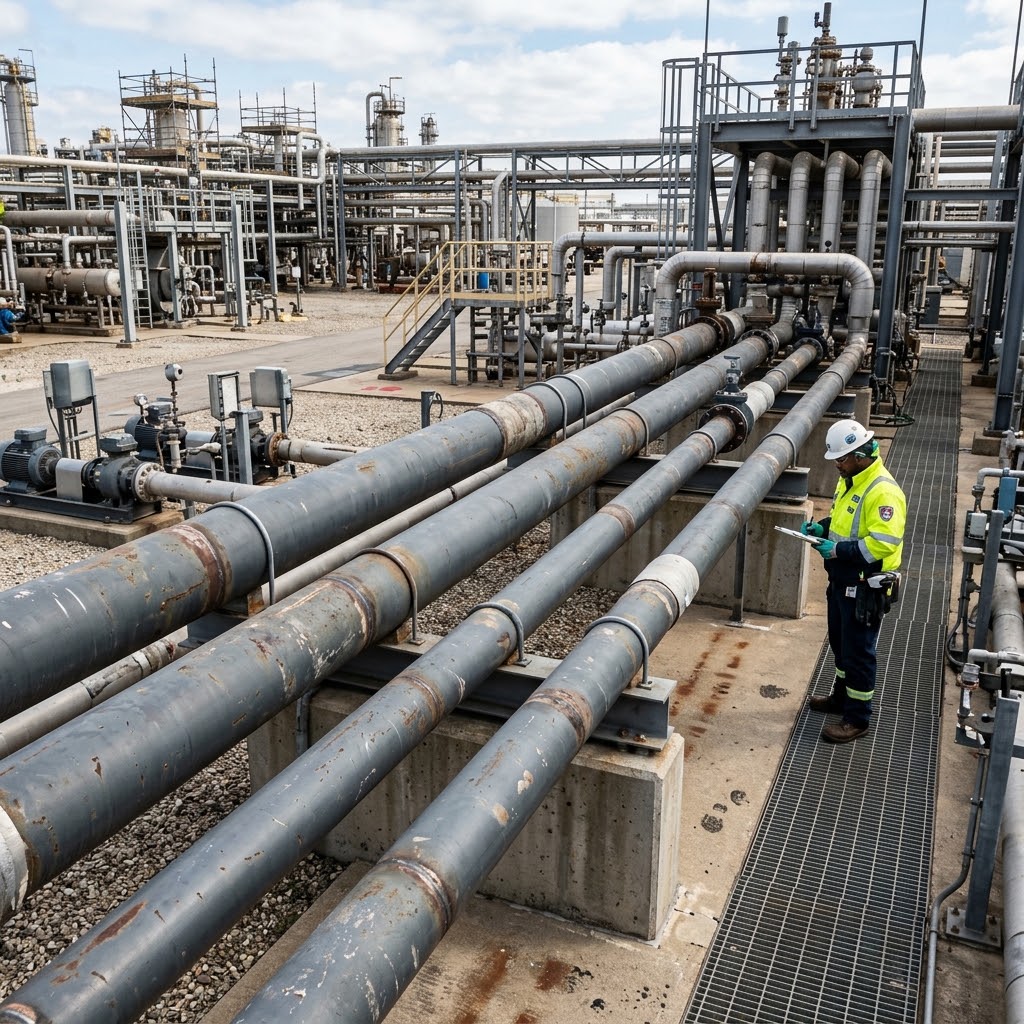
Pipelines We Can Assess For Pre-Inspection Cleaning
Pipeline condition varies by product, age, and maintenance history. We assess pipe size, layout, product residue, access points, isolation requirements, and inspection objectives before recommending ice pigging.
Crude And Product Transmission Lines
Remove settled solids and residual product film from suitable transmission pipeline sections ahead of scheduled ILI runs.
Water And Force Mains
Clear biofilm, sediment, and corrosion debris from compatible piping prior to inspection or condition assessment.
Gathering And Distribution Lines
Clean complex routes containing headers, bends, valves, and diameter changes that can trap debris ahead of a caliper or MFL run.
Low-Flow And Difficult-To-Pig Sections
Address settled solids and accumulated deposits in sections where conventional pigs have historically struggled to achieve full cleaning coverage.
Newly Commissioned Or Recently Modified Lines
Clean suitable pipeline sections following construction, tie-ins, or modifications, ahead of baseline inspection.
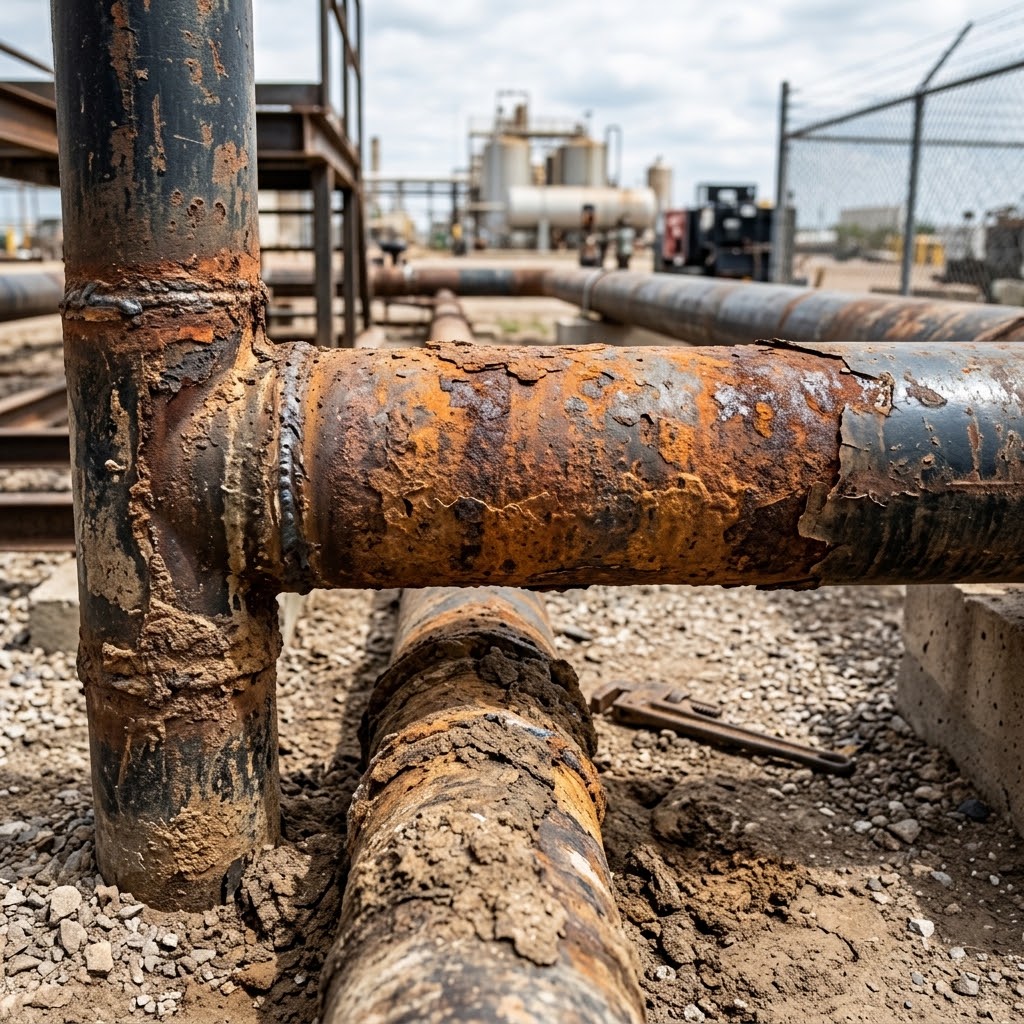
Common Pipeline Conditions That Affect Inspection Quality
Pipelines can collect contaminants during construction, commissioning, operation, and periods of low flow. Ice pigging can remove several forms of buildup from suitable systems before an inspection tool is run.
Wax, Scale, And Product Residue
Product film, paraffin, and scale can build up along internal pipe surfaces and interfere with sensor contact during inspection.
Sediment And Corrosion Debris
Rust particles, corrosion products, and black powder can settle in low-flow areas and reduce inspection data quality or damage tool components.
Construction And Commissioning Debris
Weld debris, fabrication residue, dust, and jointing material may remain inside newly installed or modified pipeline sections.
Biofilm And Microbial Buildup
Stagnation and inconsistent flow can allow biological material to develop along internal pipe surfaces, particularly in water and low-flow lines.
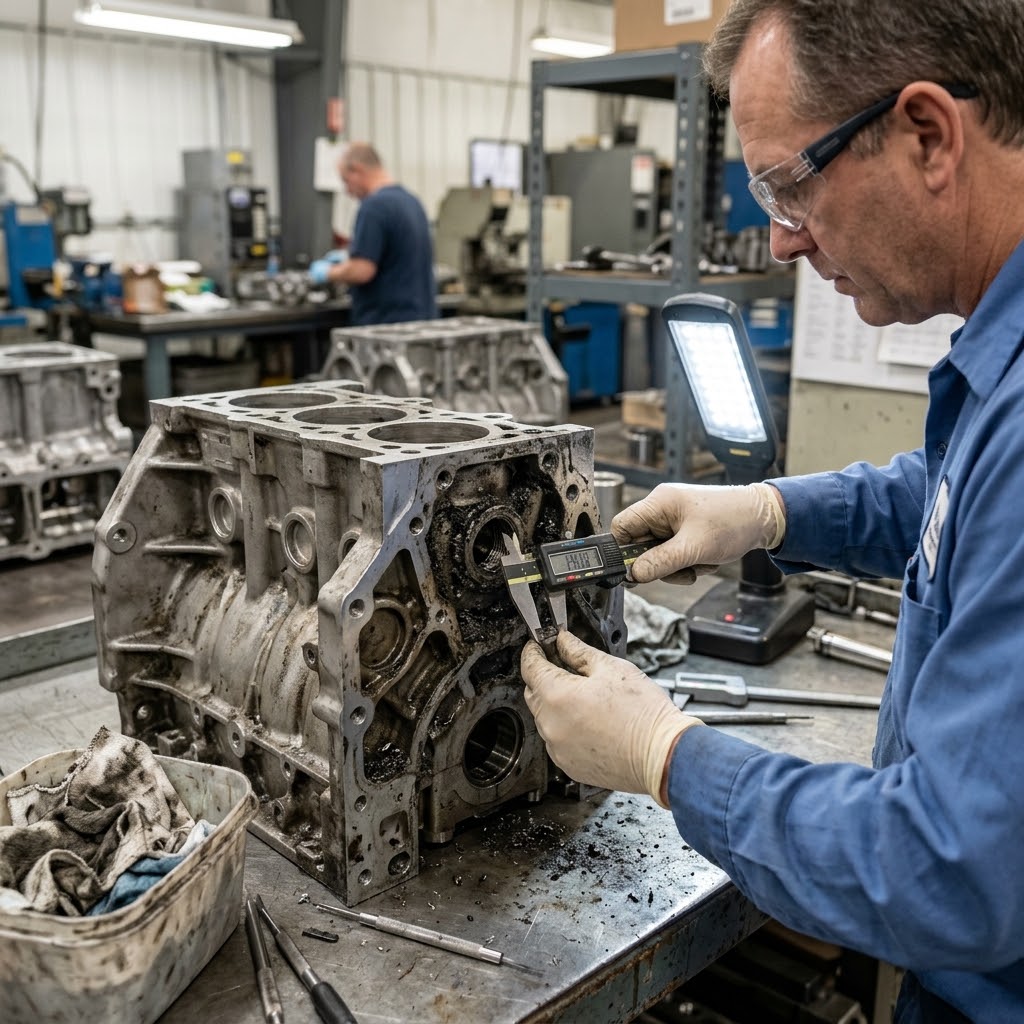
How Inadequate Cleaning Affects Inspection Results
Internal buildup can interfere with tool contact, restrict sensor coupling, alter tool speed, reduce data resolution, and increase the risk of an inspection run needing to be repeated.
Operators may also experience stuck or slowed inspection tools, incomplete data sets, damaged sensors, or inconclusive results that delay integrity reporting.
These issues do not always confirm that a pipeline requires a specialized cleaning method. A pre-inspection assessment can help distinguish between residual contamination, tool selection, pigging program gaps, and other possible causes.
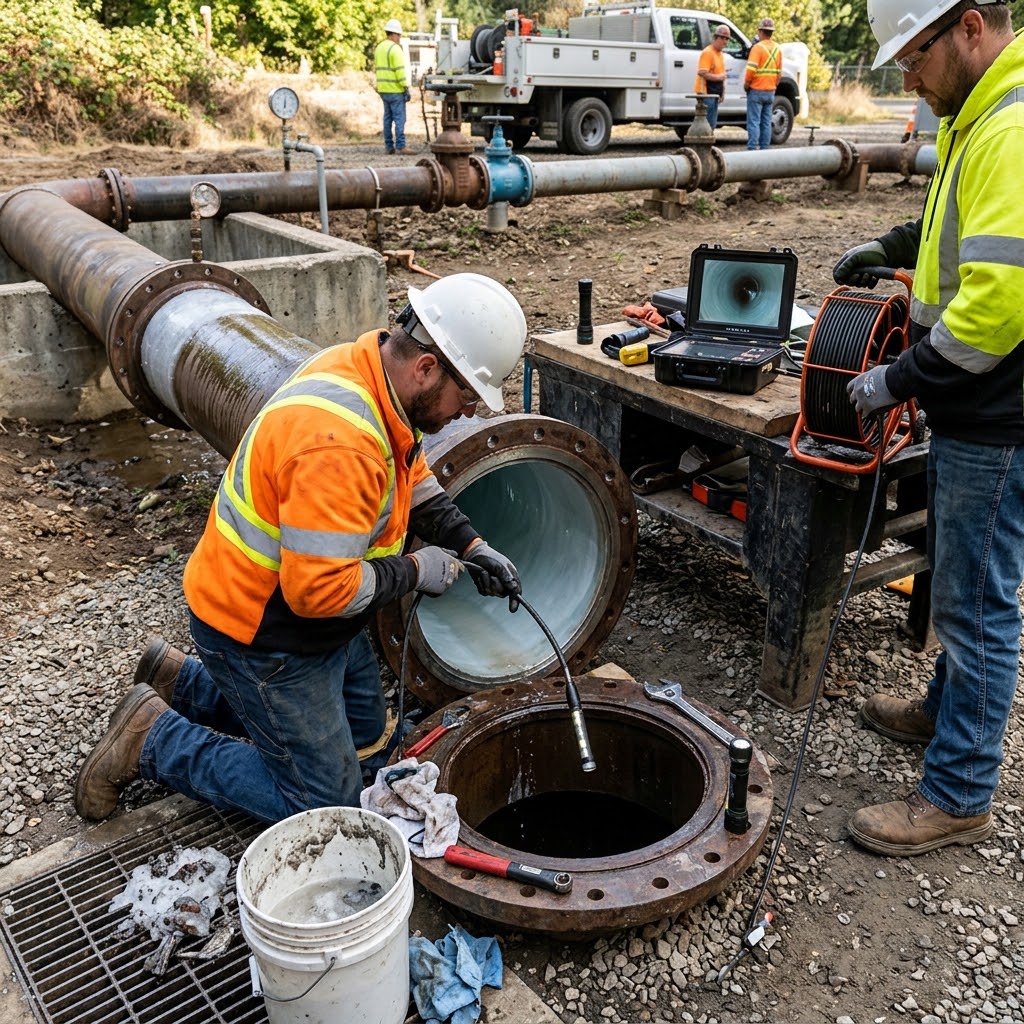
Benefits Of Ice Pigging Ahead Of Inspection
Ice pigging provides controlled physical cleaning without introducing a rigid mechanical device that can become a secondary obstruction risk in an already-scheduled cleaning run.
Because the slurry is pumpable and deformable, it can move through many bends, fittings, valves, and changes in pipe diameter that can be difficult for conventional cleaning pigs.
Potential advantages include:
Greater pipe-wall contact than water-only or foam-pig flushing
Removal of settled and accumulated material before ILI tool passage
Navigation through many complex pipeline features
Reduced reliance on repeated pre-cleaning runs
Controlled collection of discharged material for evaluation
Lower risk of a permanently lodged cleaning device
Ice Pigging Applications Across The Inspection Cycle
Pre-ILI Cleaning
Position ice pigging as a potential method for removing debris and residue immediately ahead of a scheduled in-line inspection run.
Baseline Inspection Preparation
Cover cleaning ahead of a pipeline's first ILI following construction, commissioning, or a major modification.
Repeat-Run Remediation
Address pipelines where a prior inspection run was inconclusive, incomplete, or affected by excessive debris.
Ongoing Integrity Management Support
Ice pigging may also be considered as part of a periodic cleaning schedule that supports recurring inspection and integrity reporting requirements.
Our Pre-Inspection Ice Pigging Process
Each project is planned around pipeline conditions, access requirements, contaminants, inspection tool requirements, and the available maintenance window.
- Feasibility Review
Assess pipeline drawings, dimensions, materials, product residue, and prior pigging or inspection history.
- Route And Isolation Planning
Define the cleaning route, isolation points, and project sequence ahead of the inspection window.
- Access And Discharge Planning
Select injection, receiving, containment, and disposal arrangements.
- Site Preparation
Prepare temporary connections, equipment access, and required safety controls.
- Controlled Ice Slurry Injection
Inject the slurry while monitoring pressure, flow, and discharge conditions.
- Verification And Handoff
Evaluate removed material, confirm results, and hand the pipeline off ready for the scheduled inspection run.
Frequently Asked Questions
What Is Pipeline Pre-Inspection Cleaning?
Can Ice Pigging Be Used Before A Smart Pig Or ILI Run?
Does Ice Pigging Remove Debris That Standard Pigging Misses?
Can Ice Pigging Help Prevent A Failed Or Incomplete ILI Run?
Does Ice Pigging Replace A Pipeline's Existing Pigging Program?
Discuss Your Pipeline's Inspection Readiness
Share your pipeline drawings, product type, known deposits, prior pigging history, and inspection schedule. Our specialists will assess whether ice pigging is suitable and recommend a project-specific approach.