
Data Center Water System Treatment With Ice Pigging
Remove biofilm, sediment, corrosion debris, and construction residue from suitable data center cooling pipelines with project-specific ice pigging.

Specialized Cleaning For Data Center Cooling Systems
Ice pigging uses an engineered mixture of ice crystals and liquid to form a pumpable, semi-solid cleaning plug.
The slurry moves through a selected pipeline section, contacts the internal pipe surface, and carries loosened material toward a planned receiving point.
This physical cleaning method can complement filtration, corrosion control, microbial management, and chemical water treatment.
It does not replace ongoing water chemistry programs, but it can remove deposits that flushing or filtration alone may not effectively address.
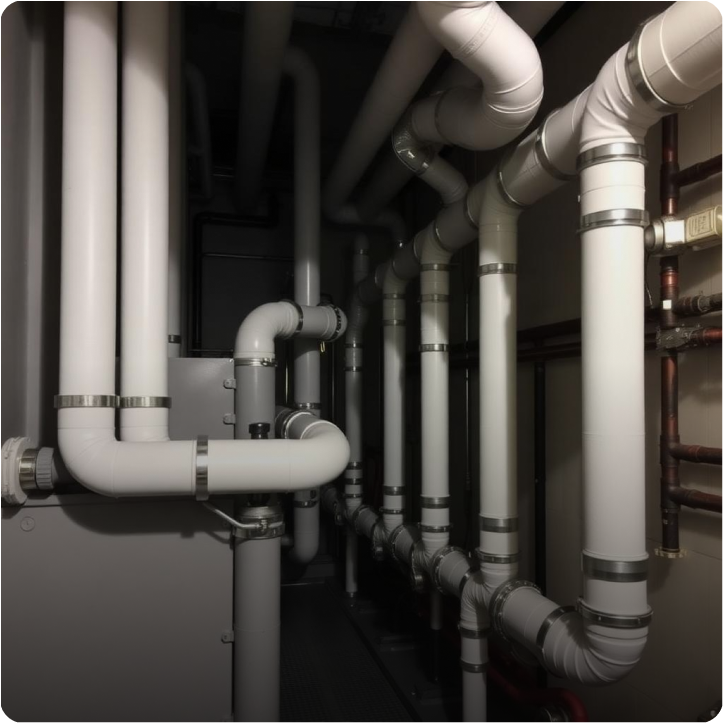
Data Center Cooling Water Systems We Can Assess
Cooling systems vary by facility. We assess pipe size, layout, fluid composition, access points, isolation requirements, and cleaning objectives before recommending ice pigging.
Chilled Water Distribution Piping
Remove loose debris and deposits from suitable supply and return lines.
Condenser Water And Cooling Tower Piping
Clear biological material, sediment, and corrosion debris from compatible piping.
Primary And Secondary Cooling Loops
Clean complex routes containing headers, bends, valves, and diameter changes.
Closed-Loop Water And Glycol Systems
Address settled solids and corrosion products following fluid compatibility checks.
Heat Exchanger Supply And Return Lines
Clean suitable connecting pipelines. Small internal passages and direct-to-chip circuits require separate assessment.
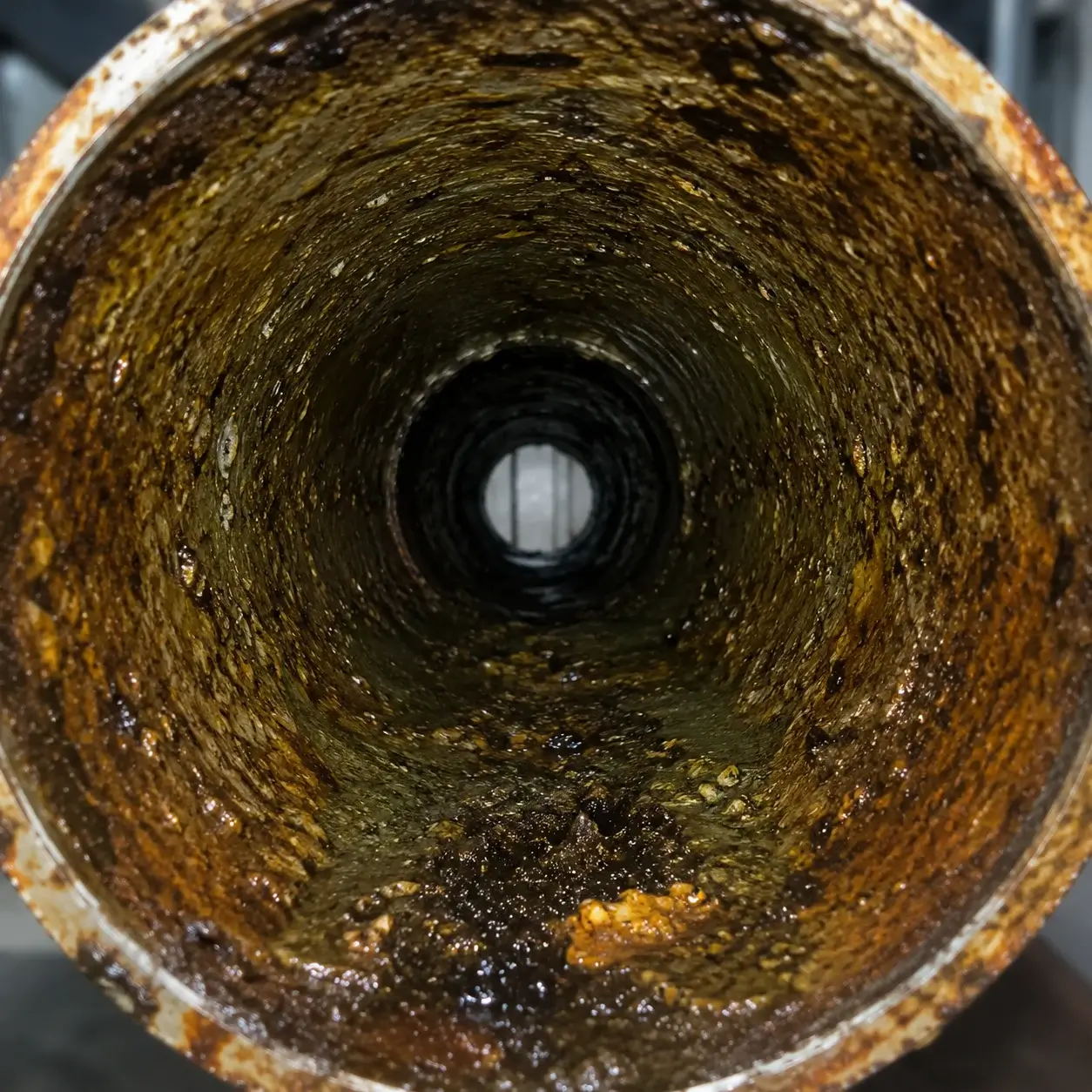
Common Cooling Water Pipeline Problems
Cooling pipelines can collect contaminants during construction, commissioning, operation, and low flow periods. Ice pigging can remove several forms of buildup from suitable systems.
Biofilm And Microbial Buildup
Warm water, stagnation, and inconsistent circulation can allow biofilm to develop along internal pipe surfaces.
Sediment And Corrosion Debris
Rust particles, corrosion products, and suspended solids can settle in low-flow areas and repeatedly block filters or strainers.
Construction And Commissioning Debris
Weld debris, fabrication residue, dust, pipe scale, and jointing material may remain inside newly installed cooling pipelines.
Loose Scale And Mineral Deposits
Changes in water chemistry, temperature, and concentration can cause mineral deposits to form and restrict the pipeline.

How Contamination Affects Cooling Performance
Internal buildup can restrict water circulation, increase differential pressure, block strainers, place additional demand on pumps, and allow debris to reach sensitive cooling components.
Facilities may also experience inconsistent temperatures, recurring filter maintenance, suspended particles, or unstable system performance.
These warning signs do not always confirm that the pipeline requires cleaning. A system assessment can help distinguish between internal contamination, equipment faults, filtration problems, water chemistry concerns, control issues, and other possible causes.
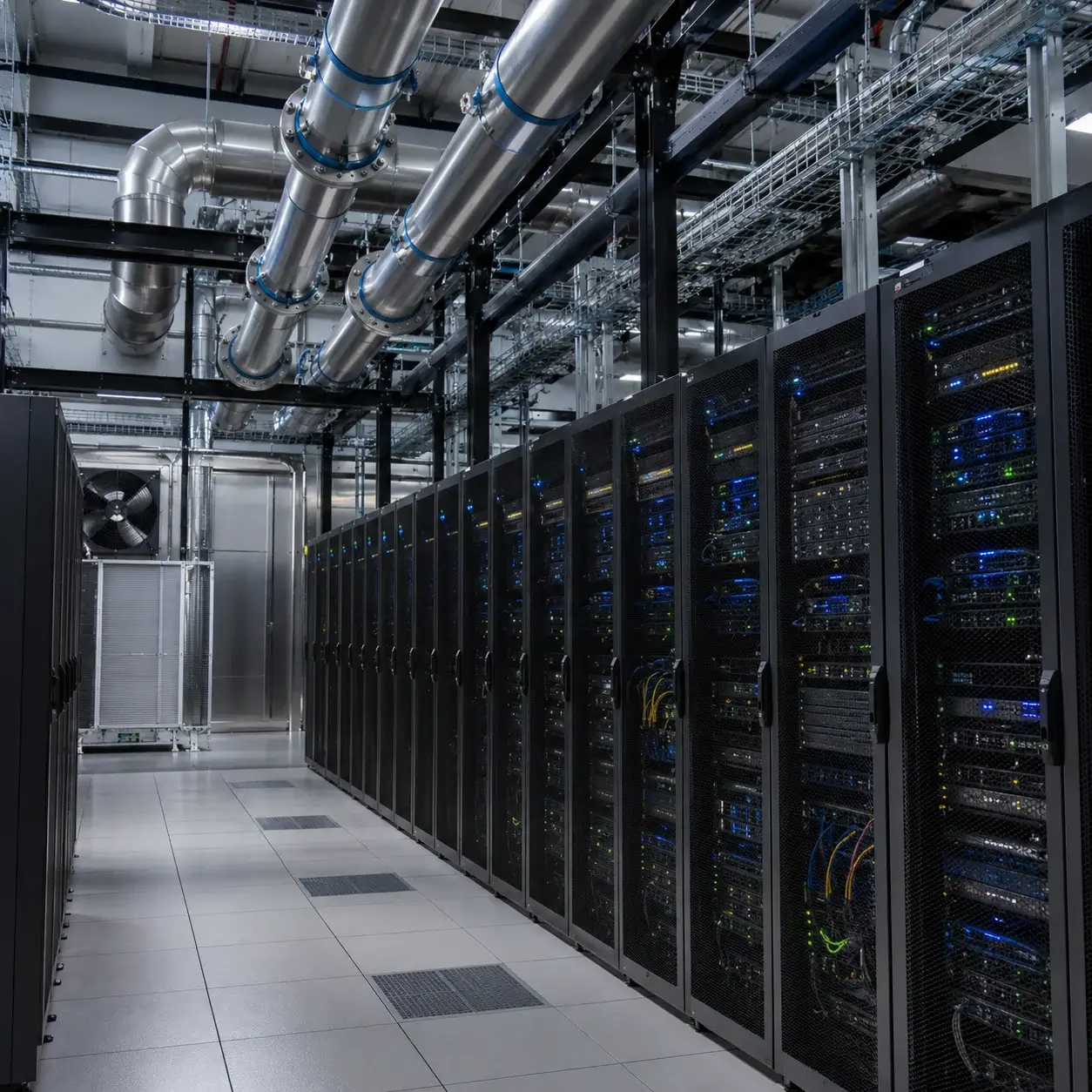
Benefits Of Ice Pigging For Data Centers
Ice pigging provides controlled physical cleaning without sending a rigid mechanical device through the cooling network.
Because the slurry is pumpable and deformable, it can move through many bends, fittings, valves, and changes in pipe diameter.
Potential advantages include:
Greater pipe-wall contact than water-only flushing
Removal of settled and accumulated material
Navigation through many complex pipeline features
Reduced reliance on repeated high-volume flushing
Controlled collection of discharged material
Lower risk of a permanently lodged cleaning device
Ice Pigging Applications Across The System Lifecycle
Pre-Commissioning Cleaning
Position ice pigging as a potential method for removing construction debris and residual material before suitable cooling water piping enters service.
Planned Preventive Maintenance
Cover scheduled cleaning based on inspection results, water quality changes, flow restrictions, pressure changes, or known deposit accumulation.
Corrective Pipeline Cleaning
Address biofouling, sediment release, contamination events, poor circulation, recurring strainer blockage, or declining cooling system performance.
Post-Modification And Expansion Cleaning
Ice pigging may also be considered after pipeline modifications, system expansions, equipment replacements, or changes to the cooling water network.
Our Data Center Ice Pigging Process
Each project is planned around system conditions, access requirements, contaminants, operating limits, and the available maintenance window.
- Feasibility Review
Assess system drawings, pipe dimensions, materials, fluids, valves, and fittings.
- Route And Isolation Planning
Define the cleaning route, isolation points, and project sequence.
- Access And Discharge Planning
Select injection, receiving, containment, and disposal arrangements.
- Site Preparation
Prepare temporary connections, equipment access, and required safety controls.
- Controlled Ice Slurry Injection
Inject the slurry while monitoring pressure, flow, and discharge conditions.
- Verification And Restoration
Evaluate removed material, confirm results, and return the system to service.
Frequently Asked Questions
What Is Data Center Water System Treatment?
Can Ice Pigging Clean Chilled Water Pipes?
Does Ice Pigging Remove Biofilm?
Can Ice Pigging Be Used In Glycol Systems?
Does Ice Pigging Replace Chemical Water Treatment?
Discuss Your Data Center Cooling System
Share your system drawings, cooling fluid, known deposits, and access points. Our specialists will assess whether ice pigging is suitable and recommend a project-specific approach.