
Pipeline Decommissioning With Ice Pigging
Remove residual product, sludge, scale, and contaminants from suitable pipelines before decommissioning, isolation, or abandonment.
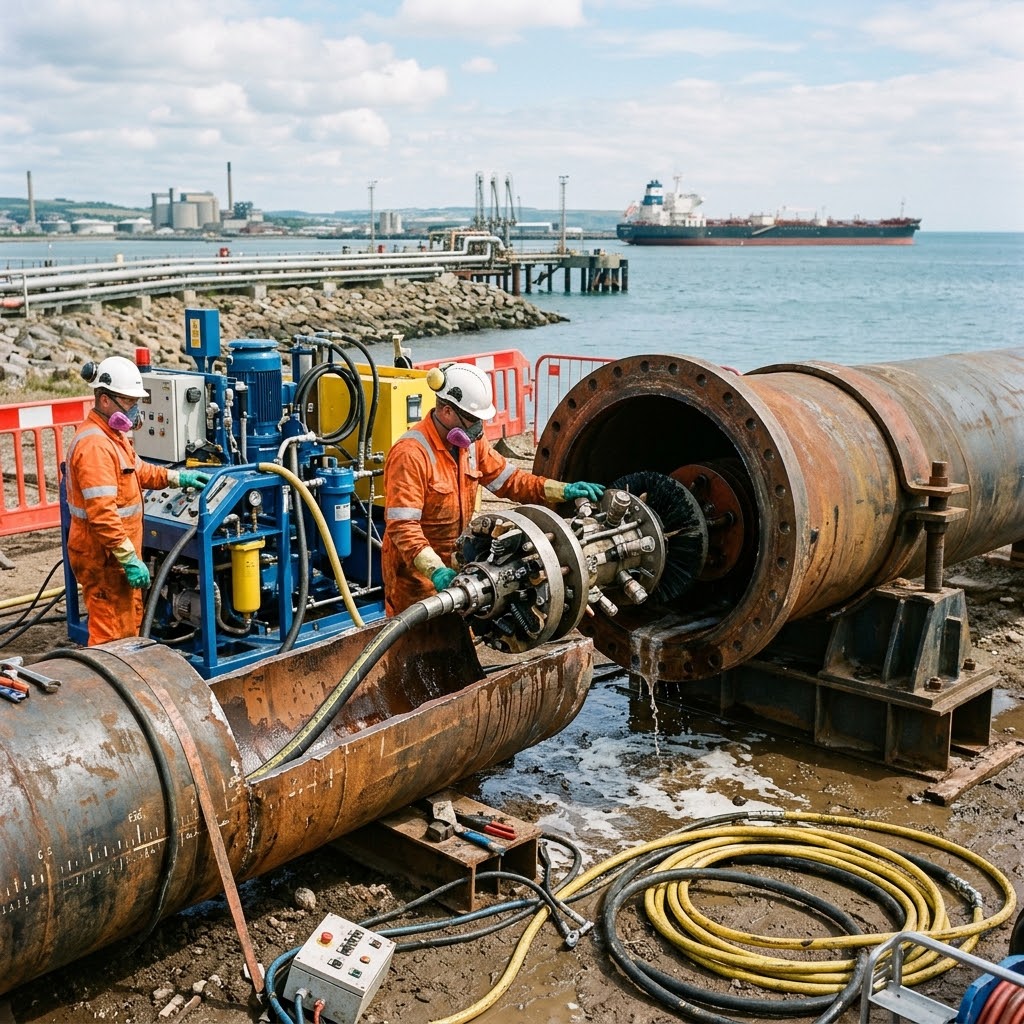
Specialized Cleaning For Pipeline Decommissioning
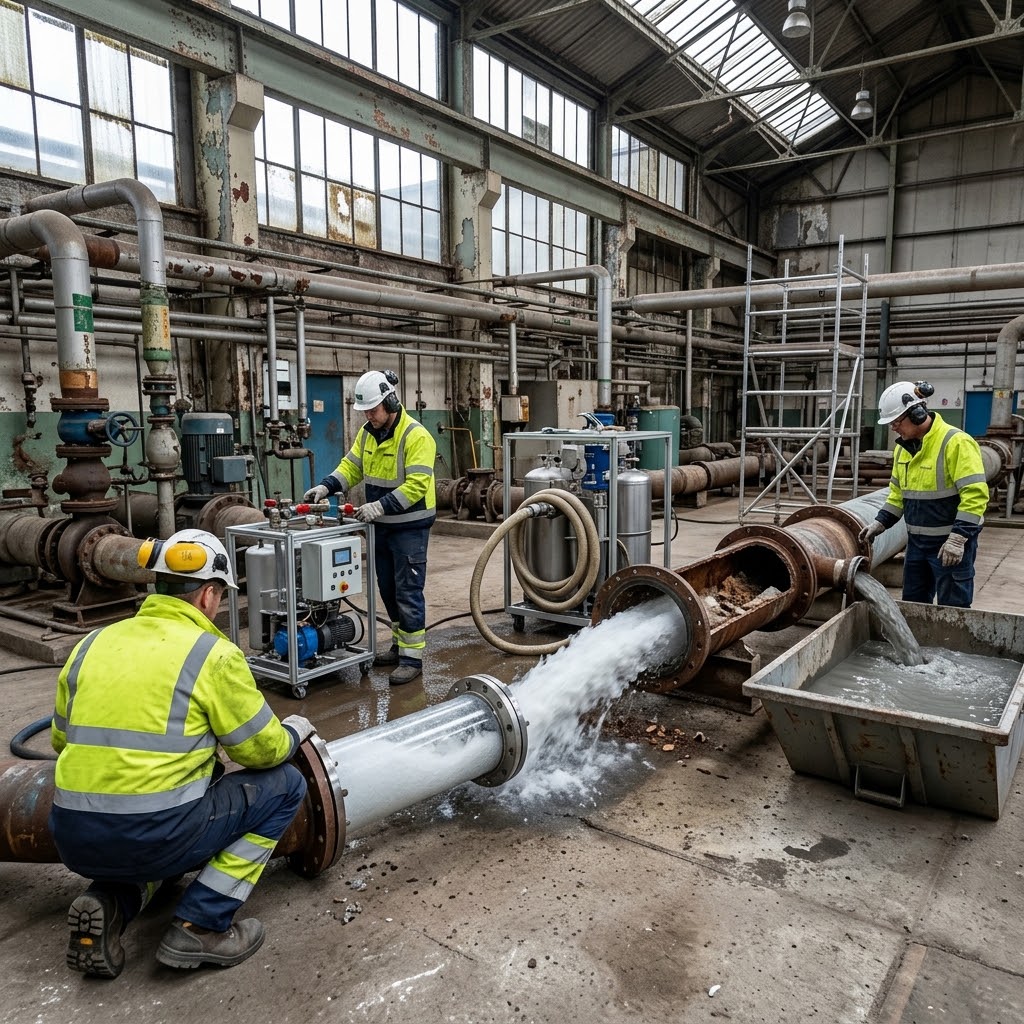
Ice pigging uses an engineered mixture of ice crystals and liquid to form a pumpable, semi-solid cleaning plug.
The slurry moves through a selected pipeline section, contacts the internal pipe surface, and carries loosened material toward a planned receiving point.
This physical cleaning method can support decommissioning programs by removing recoverable product and residual material before isolation or dismantling work begins.
It does not replace regulatory verification, gas-freeing, or inspection procedures, but it can reduce residual material that these steps must otherwise address.
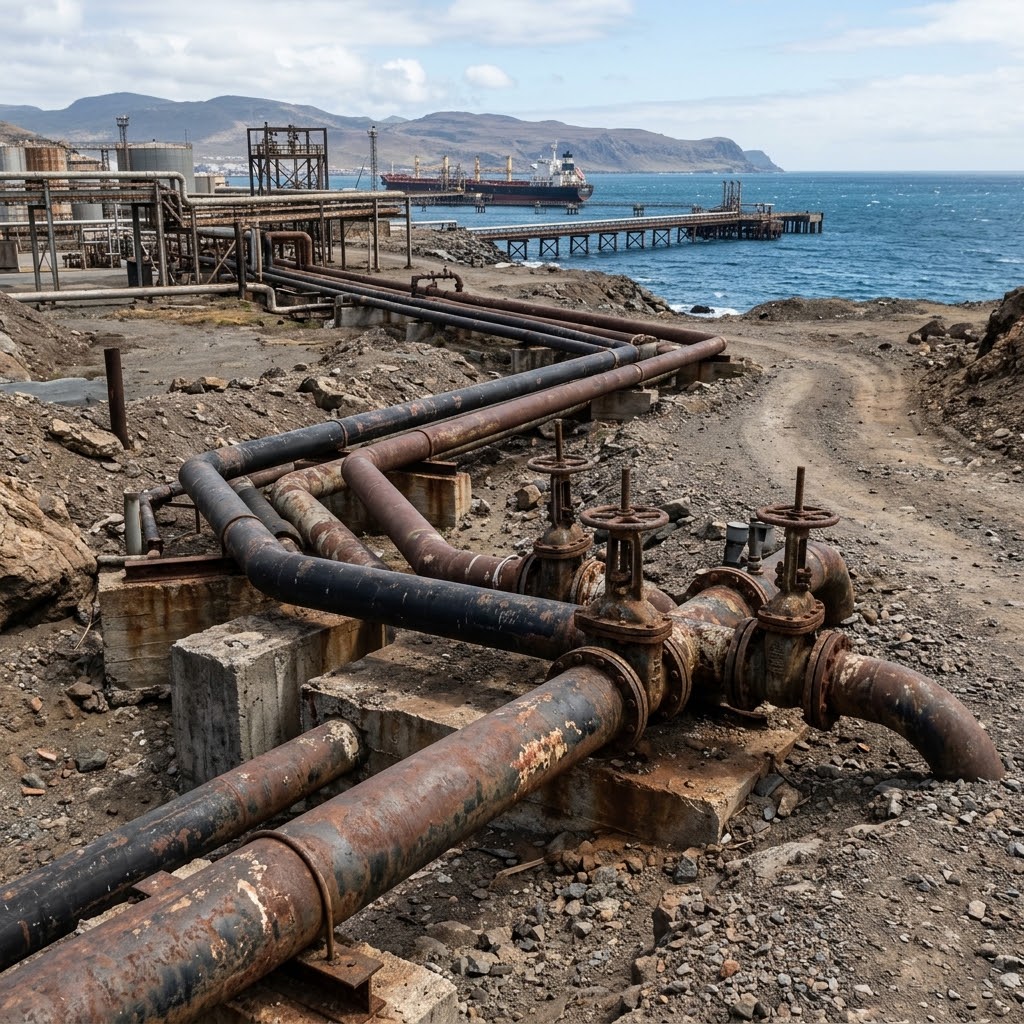
Pipeline Systems We Can Assess For Decommissioning
Decommissioning projects vary by pipeline history, product type, and site conditions. We assess pipe size, layout, product composition, access points, isolation requirements, and cleaning objectives before recommending ice pigging.
Product And Crude Transfer Lines
Recover residual product and reduce hydrocarbon content from suitable transfer pipelines ahead of decommissioning.
Process And Utility Pipelines
Clear sludge, scale, and process residue from compatible piping across the facility.
Cross-Country And Gathering Lines
Clean long-distance and gathering pipelines containing bends, tie-ins, and diameter changes.
Tank Farm And Terminal Piping
Address settled solids and residual product before isolation of connecting lines.
Redundant Or Out-Of-Service Segments
Clean idle pipeline sections that have accumulated deposits during extended downtime, prior to permanent removal.
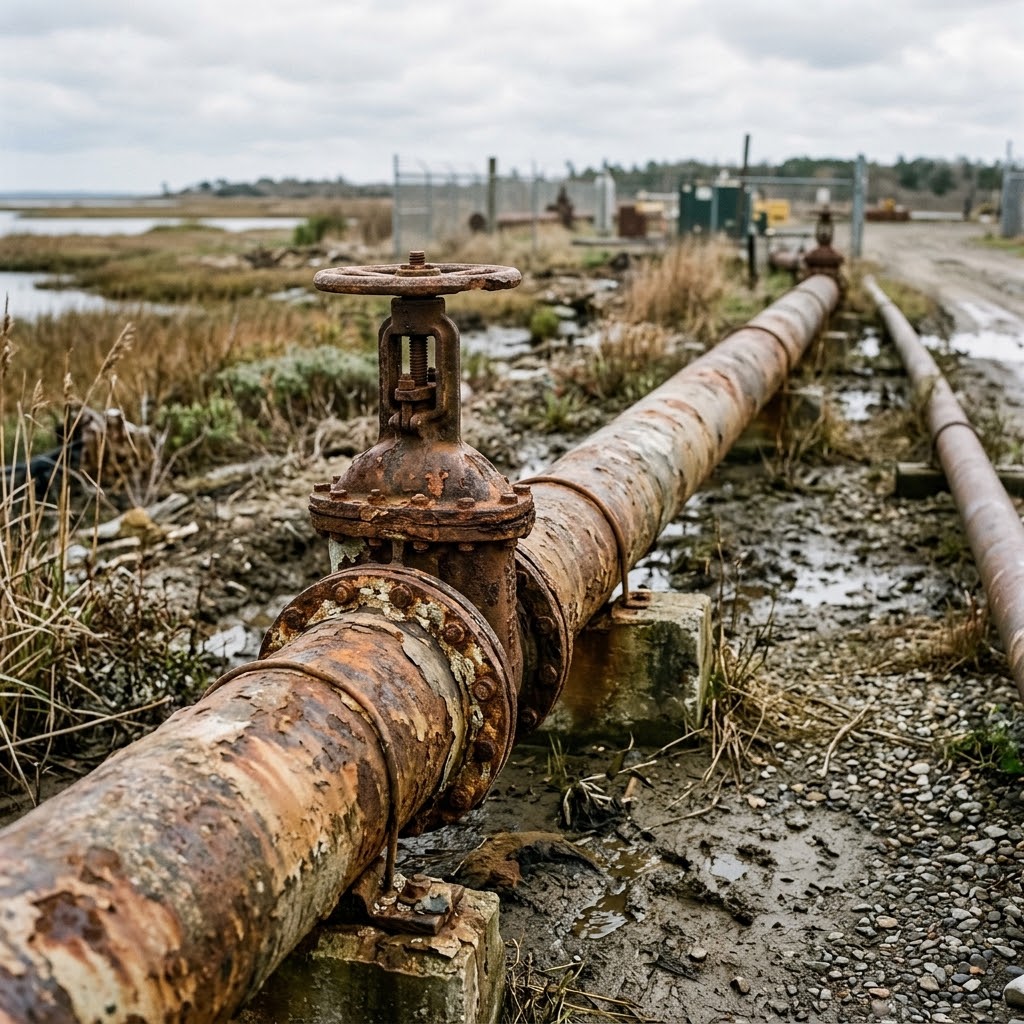
Common Pipeline Conditions Before Decommissioning
Pipelines nearing end-of-service can retain contaminants from years of operation, reduced flow, and prior product changes. Ice pigging can remove several forms of buildup from suitable systems.
Residual Product And Hydrocarbon Film
Trapped product and hydrocarbon residue can remain along internal pipe surfaces after operations cease.
Sludge And Sediment Accumulation
Settled solids and heavy residue can collect in low points and dead legs over years of service.
Scale And Corrosion Deposits
Internal corrosion products and mineral scale can build up, particularly in aging or long-idle pipelines.
Waxy Or Viscous Deposits
Paraffin, wax, and other viscous residues can adhere to pipe walls, especially in product and crude lines.
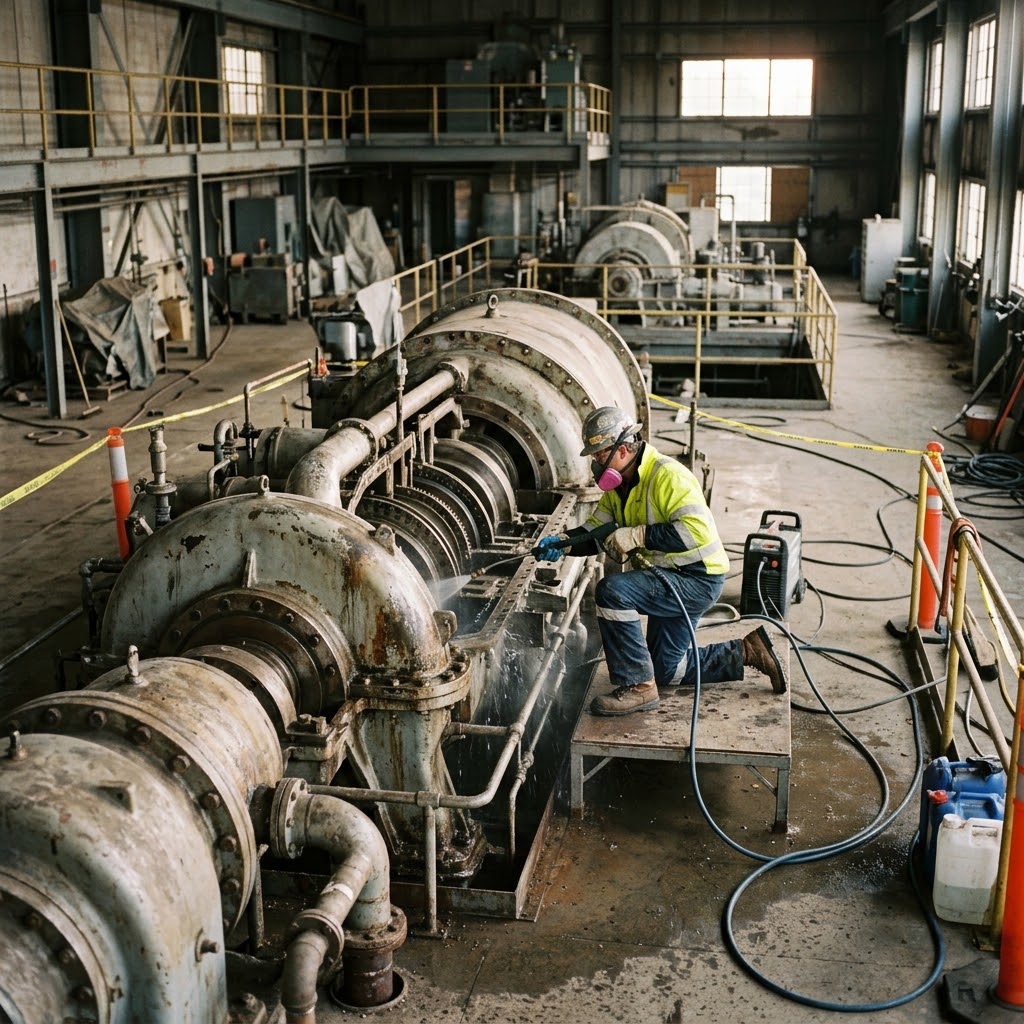
Why Pre-Decommissioning Cleaning Matters
Residual product and accumulated deposits left inside a pipeline can complicate isolation, purging, cutting, and disposal steps, and may raise environmental, safety, and regulatory concerns.
Facilities may also face delays from repeated gas-freeing cycles, additional waste characterization, or unexpected material during dismantling.
These conditions don’t always require the same cleaning approach. An assessment can help determine whether ice pigging, flushing, or another method fits the pipeline’s product history, condition, and decommissioning timeline.
Benefits Of Ice Pigging For Decommissioning Projects
Ice pigging provides controlled physical cleaning without sending a rigid mechanical device through a pipeline that may no longer be fit for pigging operations.
Because the slurry is pumpable and deformable, it can move through many bends, fittings, valves, and changes in pipe diameter, including sections not designed for conventional pigging.
Potential advantages include:
Recovery of residual product before disposal
Reduced hydrocarbon content ahead of gas-freeing
Navigation through aging or non-piggable sections
Lower risk of a permanently lodged cleaning device
Controlled collection of discharged material
Support for waste minimization and disposal planning
Ice Pigging Applications Across Decommissioning Projects
Pre-Isolation Cleaning
Remove recoverable product and residue before valves are closed and the pipeline is isolated from the network.
Product Recovery Before Disposal
Support recovery of usable product ahead of final flushing and disposal of remaining material.
Cleaning Ahead Of Cutting Or Hot Work
Reduce residual hydrocarbon content before cutting, welding, or other hot work on decommissioned sections.
Full Pipeline Abandonment Preparation
Support cleaning requirements as part of a documented abandonment or permanent removal program.
Our Pipeline Decommissioning Cleaning Process
Each project is planned around pipeline history, product type, access requirements, regulatory considerations, and the decommissioning schedule.
- Feasibility Review
Assess pipeline drawings, dimensions, materials, product history, valves, and fittings.
- Route And Isolation Planning
Define the cleaning route, isolation points, and project sequence.
- Access And Discharge Planning
Select injection, receiving, containment, and disposal arrangements for recovered product and waste.
- Site Preparation
Prepare temporary connections, equipment access, and required safety controls.
- Controlled Ice Slurry Injection
Inject the slurry while monitoring pressure, flow, and discharge conditions.
- Verification And Handover
Evaluate removed material, confirm results, and hand the pipeline over for the next decommissioning stage.
Frequently Asked Questions
What Is Pipeline Decommissioning Cleaning?
Can Ice Pigging Recover Residual Product?
Is Ice Pigging Suitable For Non-Piggable Pipelines?
Does Ice Pigging Replace Gas-Freeing Procedures?
Can Ice Pigging Support Environmental Compliance?
Discuss Your Pipeline Decommissioning Project
Share your pipeline drawings, product history, known deposits, and access points. Our specialists will assess whether ice pigging is suitable and recommend a project-specific approach.