
Food Industry Pipe Cleaning With Ice Pigging
Recover product, remove residue and biofilm, and speed up changeovers on suitable food and beverage pipelines with project-specific ice pigging.
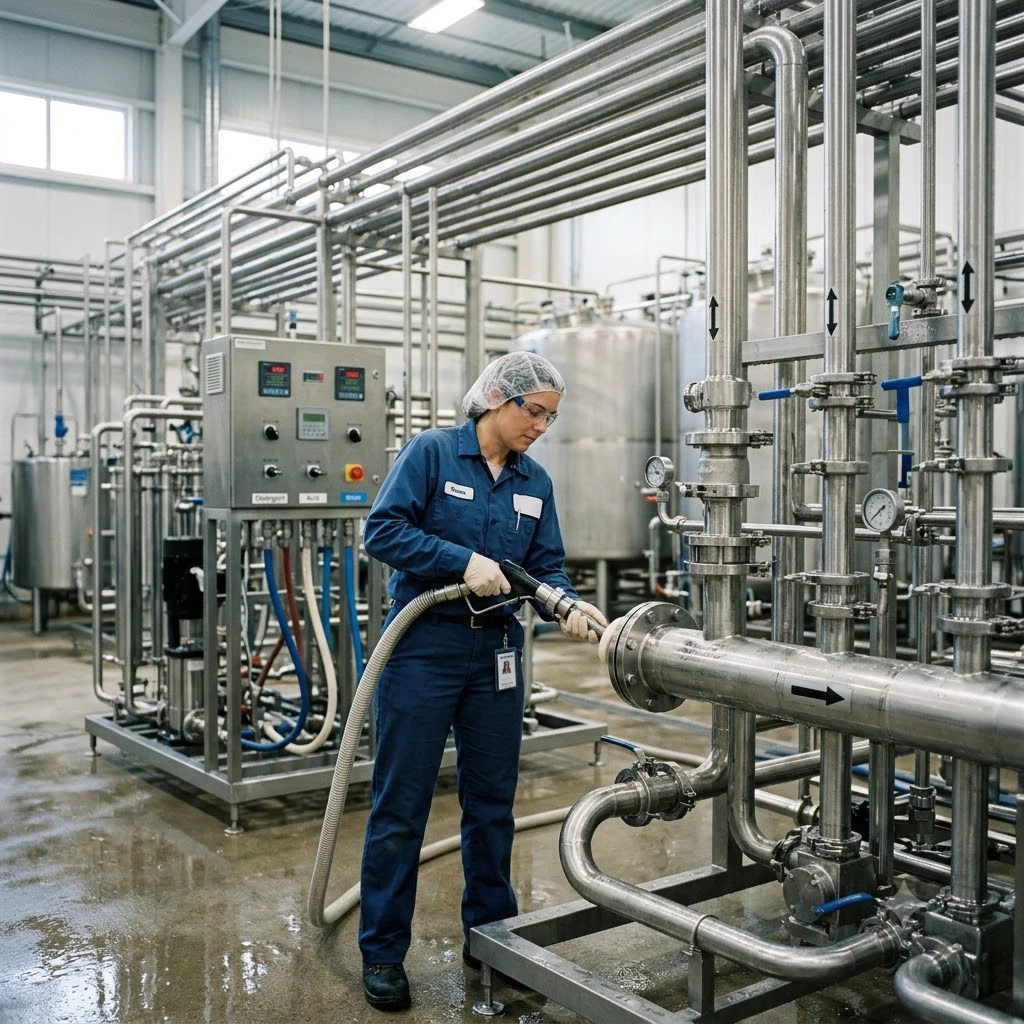
Specialized Cleaning For Food And Beverage Pipelines
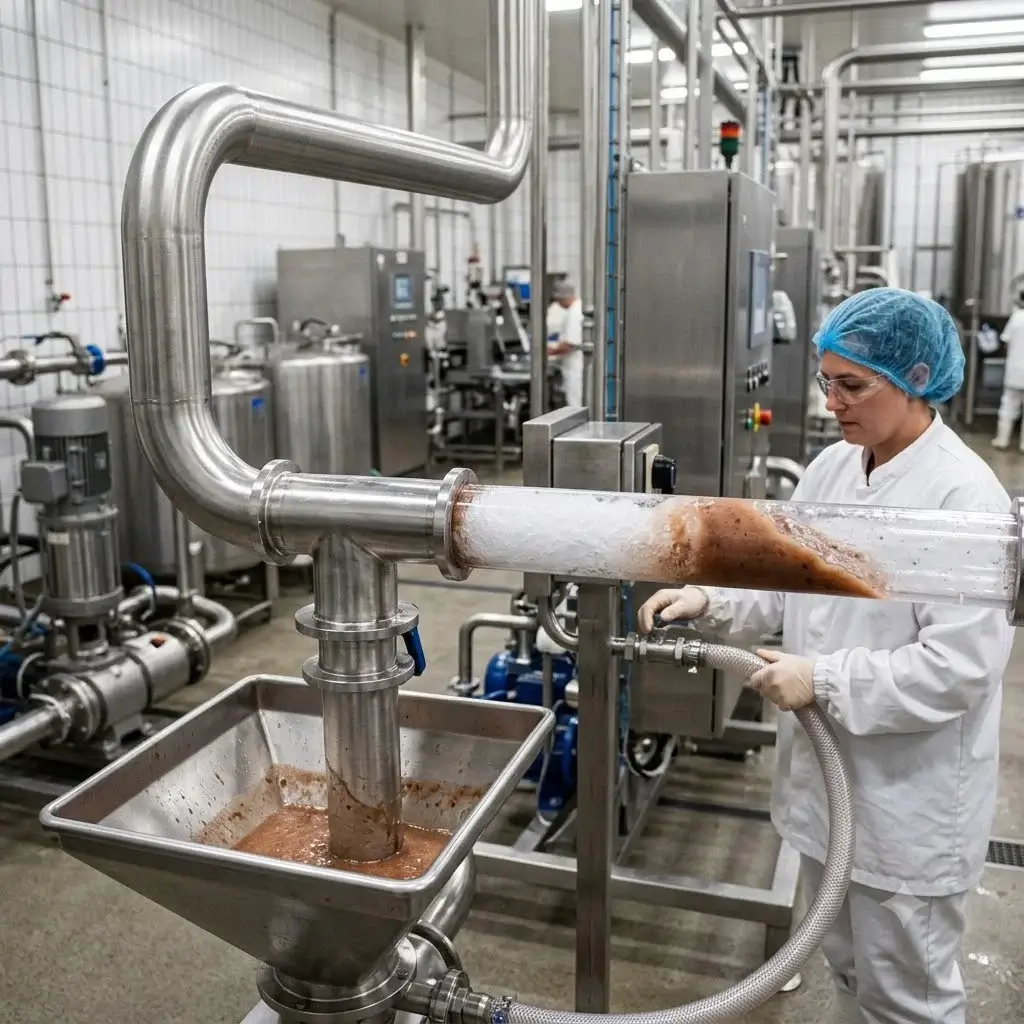
Ice pigging uses an engineered mixture of ice crystals and liquid to form a pumpable, semi-solid cleaning plug made with food-grade materials.
The slurry moves through a selected pipeline section, contacts the internal pipe surface, and pushes trapped product ahead of it toward a planned receiving or recovery point.
This physical cleaning method can complement CIP (clean-in-place) systems, water flushing, and existing sanitation programs.
It does not replace validated cleaning and sanitation procedures, but it can recover product and remove residue that flushing or CIP alone may not fully clear from the line.
We deliver ice pigging as a project-specific service. There is no permanent equipment to purchase, install, or integrate into your control system our team brings the equipment, runs the project, and hands the line back once cleaning is verified.
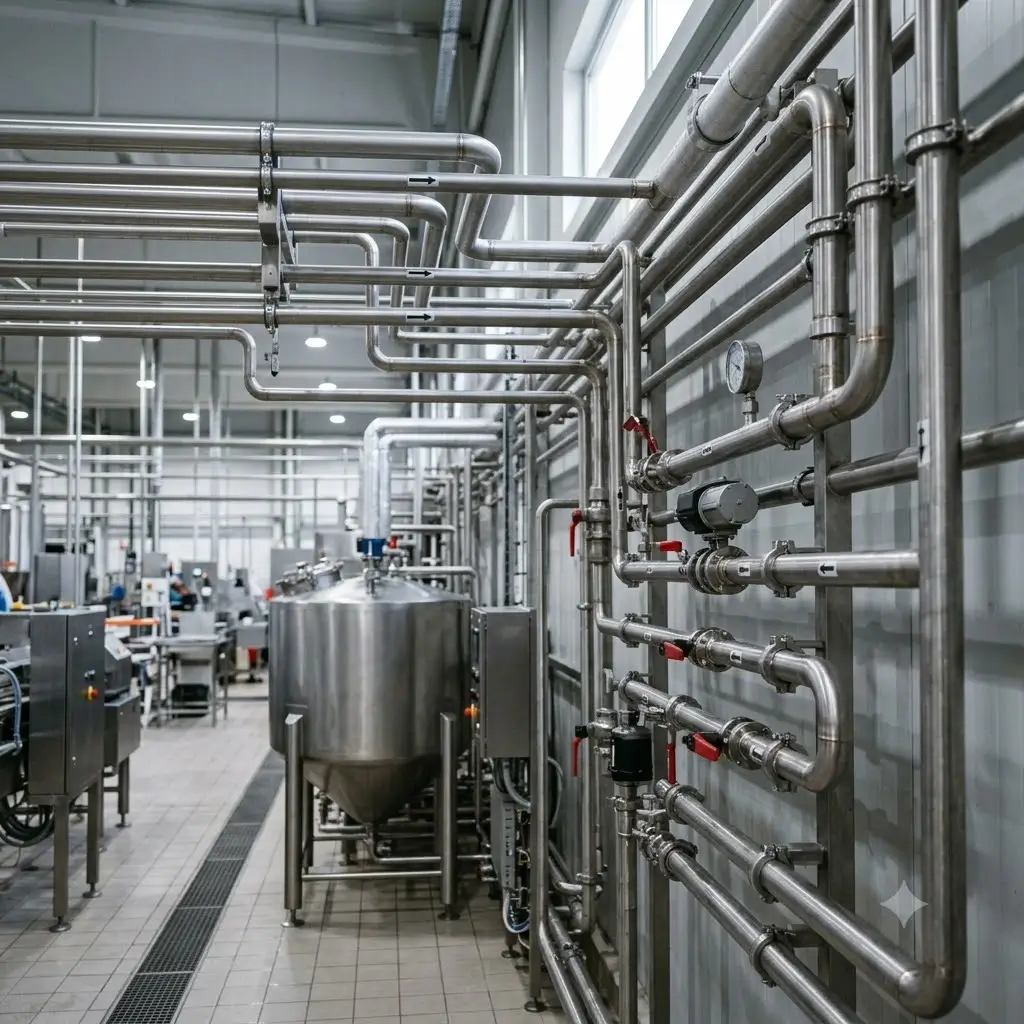
Food And Beverage Pipe Systems We Can Assess
Production lines vary by product and process. We assess pipe size, layout, product viscosity, hygienic design, access points, and cleaning objectives before recommending ice pigging.
Product Transfer And Filling Lines
Recover product and clear residue from lines feeding filling, packing, or bottling equipment.
Dairy And Beverage Processing Lines
Clear settled solids, protein deposits, and biofilm from compatible processing pipework.
Sauce, Condiment, And Viscous Product Lines
Push thick or viscous product through the line ahead of cleaning to reduce waste and downtime.
Allergen Changeover Lines
Assess lines where fast, thorough clearing between different products or allergens is a priority.
CIP-Connected Pipework
Integrate ice pigging ahead of or alongside existing clean-in-place cycles on suitable systems.
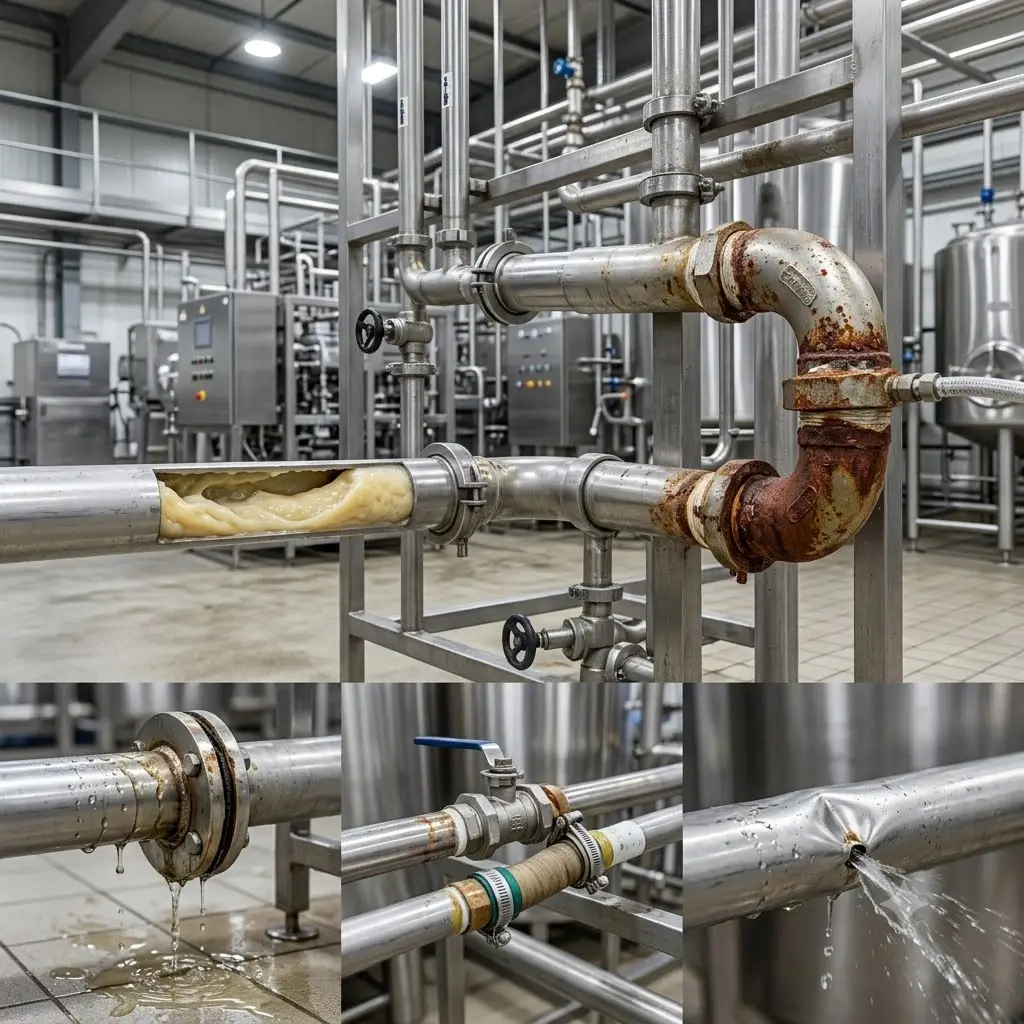
Common Food And Beverage Pipeline Problems
Production pipelines can retain product, deposits, and biological material between runs. Ice pigging can address several of these issues on suitable systems.
Trapped Product And Lost Yield
Standard flushing can leave usable product in the line, adding up to significant yield loss over repeated runs.
Biofilm And Microbial Buildup
Residual moisture, product film, and inconsistent cleaning can allow biofilm to develop on internal pipe surfaces.
Protein And Fat Deposits
Dairy, sauce, and fat-containing products can leave deposits that build up in bends, low points, and dead legs.
Slow Or Incomplete Changeovers
Manual flushing between products or batches can extend downtime and increase water and chemical use.
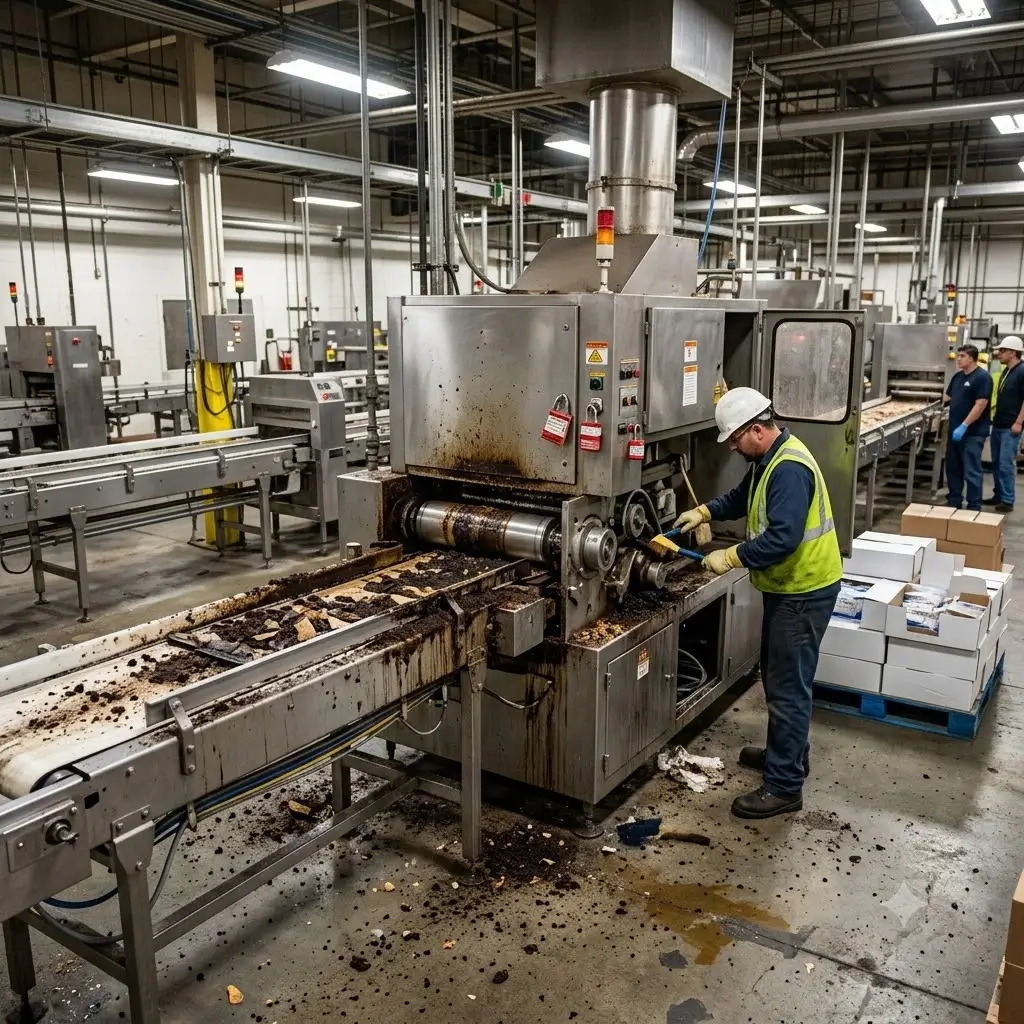
How Residue And Downtime Affect Production
Product left in the line at the end of a run represents direct yield loss, and residue carried into the next batch can create quality, allergen, or contamination risk.
Extended flushing and CIP cycles between products also reduce available production time and increase water, chemical, and energy consumption.
These issues are not always visible during a normal shift. A line assessment can help identify where product recovery, cleaning time, or hygiene outcomes could be improved.
Benefits Of Ice Pigging For Food And Beverage Production
Ice pigging provides controlled physical cleaning without introducing a rigid mechanical device into hygienic pipework.
Because the slurry is pumpable and deformable, it can move through many bends, fittings, valves, and diameter changes found in food-grade piping.
Potential advantages include:
Higher product recovery than flushing alone
Faster changeovers between products or batches
Reduced water and chemical use during cleaning
Removal of biofilm and settled deposits
Compatibility with hygienic, food-grade pipework
Controlled collection of recovered product and waste
Ice Pigging Applications Across Food And Beverage Production
End-Of-Run Product Recovery
Recover residual product from the line before it is lost to drain at the end of a production run.
Product-To-Product Changeovers
Clear the line between different products or recipes to reduce cross-contamination risk and downtime.
Scheduled Hygiene Cleaning
Support planned sanitation cycles with a physical cleaning step ahead of or alongside CIP.
Post-Maintenance Line Clearing
Clear installation debris or residue from lines following pipework modifications or equipment changes.
Our Food Industry Ice Pigging Process
Each project is planned around product type, hygienic requirements, line layout, and the available production window.
- Feasibility Review
Assess line drawings, pipe dimensions, materials, product type, and hygienic design.
- Route And Access Planning
Define the cleaning route, injection points, and project sequence around production schedules.
- Recovery And Discharge Planning
Select injection, receiving, product-recovery, and disposal arrangements.
- Site Preparation
Prepare temporary connections, equipment access, and required hygiene controls.
- Controlled Ice Slurry Injection
Inject the slurry while monitoring pressure, flow, and discharge conditions.
- Verification And Restoration
Confirm recovered product volume and cleaning results, then return the line to production.
Frequently Asked Questions
Is Ice Pigging Safe For Food-Grade Pipework?
Does Ice Pigging Replace CIP Cleaning?
How Much Product Can Ice Pigging Recover?
Can Ice Pigging Speed Up Changeovers Between Products?
What Types Of Food And Beverage Products Is Ice Pigging Suitable For?
Do We Need To Buy Or Install Ice Pigging Equipment?
How Is Recovered Product Separated From Waste?
Discuss Your Food Or Beverage Production Line
Share your line drawings, product type, and current cleaning process. Our specialists will assess whether ice pigging is suitable and recommend a project-specific approach.